
How to get rid of body acne starts with understanding why breakouts appear on the back, shoulders, chest, and upper arms. These blemishes form when hair follicles become blocked with oil, sweat, bacteria, and dead skin cells, and many people continue to struggle with them even when their facial skin stays clear.
Body acne often brings painful bumps, redness, dark marks, and recurring breakouts that are hard to ignore. Daily hygiene, the right skincare products, and dermatology treatments work together to control oil production, reduce bacterial growth, and keep pores clear.
Early treatment prevents long-term marks and uneven skin texture. With the right skincare routine and medical guidance, clearer skin becomes achievable.
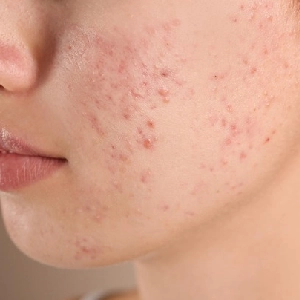
What Causes Body Acne?
Body acne develops due to multiple factors affecting the skin and lifestyle. Oil glands present across the chest, shoulders, and back produce sebum. Excess oil combined with dead skin cells blocks pores and creates an environment where bacteria grow.
Common causes include:
- Excess oil production from sebaceous glands
- Sweat buildup after exercise or outdoor activity
- Friction from tight clothing or backpacks
- Hormonal fluctuations during puberty or adulthood
- Poor exfoliation leading to clogged pores
- Heavy body lotions or pore-blocking products
- Stress and irregular sleep patterns
Back acne, often called “bacne,” appears when sweat and bacteria remain on the skin for long periods. Proper cleansing and breathable clothing reduce this risk.
Signs and Symptoms of Body Acne
Body acne appears in several forms. Early recognition helps prevent worsening breakouts.
Common symptoms include:
- Red, inflamed bumps on the back or shoulders
- Whiteheads or blackheads on the chest area
- Painful cyst-like bumps under the skin
- Dark spots left after healed pimples
- Rough or uneven skin texture
Severe cases lead to deeper nodules that require professional dermatological treatment.
How to Get Rid of Body Acne at Home
Daily skincare habits play a key role in reducing breakouts on the body. Consistent hygiene and correct product choices support healthier skin.
1. Use a Salicylic Acid Body Wash
Salicylic acid helps remove dead skin cells and clear blocked pores, reducing acne breakouts on the body. Regular cleansing with a salicylic acid body wash helps keep skin clean and prevent oil and bacterial buildup.
Use this cleanser once daily, especially after sweating or physical activity.
2. Shower After Sweating
Sweat mixes with oil and bacteria on the skin. Delayed cleansing increases pore blockage.
Follow these steps:
- Shower soon after gym sessions or sports
- Use antibacterial or acne-control body cleansers
- Dry skin gently with a clean towel
Clean skin reduces bacterial growth and prevents inflammation.
3. Wear Breathable Clothing
Tight fabrics trap sweat and increase friction on the skin. Loose clothing allows airflow and reduces irritation.
Choose:
- Cotton fabrics
- Moisture-wicking workout clothes
- Clean clothes after exercise
Clean garments reduce bacterial transfer to skin.
4. Exfoliate the Skin Regularly
Dead skin cells accumulate on the body’s surfaces. Gentle exfoliation clears these layers and prevents clogged follicles.
Effective exfoliation options include:
- Chemical exfoliants with glycolic acid
- Lactic acid body lotions
- Soft exfoliating brushes
Exfoliating twice weekly helps achieve smoother skin and reduces breakouts.
5. Avoid Heavy Body Products
Thick lotions, oils, and fragranced creams block pores. Acne-prone skin requires lightweight formulas.
Look for:
- Non-comedogenic body moisturizers
- Oil-free skincare products
- Fragrance-free lotions
These products support hydration without blocking pores.
Dermatology Treatments for Body Acne
Home care improves mild acne. Persistent or severe body acne requires medical treatment under dermatology supervision.
1. Prescription Topical Treatments
Dermatologists prescribe medicated creams, gels, or lotions formulated to treat acne at the source. These products contain active ingredients designed to clear blocked pores and control bacterial growth on the skin.
Common benefits include:
- Reduction in acne-causing bacteria
- Removal of dead skin cells blocking pores
- Decrease in redness and swelling
- Improvement in overall skin clarity
Regular use as directed by your healthcare provider helps reduce active breakouts and supports gradual skin improvement.
2. Oral Medication
Moderate to severe body acne often develops due to excess oil production or hormonal imbalance. Dermatologists prescribe oral medications when topical treatment alone does not control breakouts.
Oral medications help:
- Regulate oil production in sebaceous glands.
- Reduce inflammation beneath the skin.
- Treat widespread acne across the back, chest, and shoulders.
Treatment duration depends on the severity of acne and the individual’s skin response. Medical supervision ensures safe and effective results.
3. Chemical Peels
Chemical peels provide controlled exfoliation using dermatology-grade solutions. These treatments remove damaged outer skin layers and clear clogged pores that contribute to acne formation.
Benefits of chemical peels include:
- smoother and clearer skin surface
- reduction in acne marks and discoloration
- improved skin texture
- prevention of future clogged pores
Multiple sessions performed by a dermatologist gradually improve skin health and appearance.
4. Laser and Light Therapies
Laser and light-based treatments target acne-causing bacteria and reduce inflammation within the skin. These advanced dermatology procedures help regulate oil gland activity and support faster skin recovery.
Light and laser therapies help:
- Reduce active acne breakouts
- Control oil gland activity
- Improve the healing of acne marks
- Enhance overall skin texture
Dermatologists often recommend these treatments for individuals with persistent body acne or acne scars that do not respond to basic skincare.
Skincare Routine for Acne-Prone Body Skin
A structured skincare routine supports long-term acne control.
Morning routine:
- Shower using an acne-control body wash to remove oil, sweat, and bacteria from the skin surface.
- Apply a lightweight, non-comedogenic moisturizer to maintain skin hydration without blocking pores.
- Wear loose, breathable clothing to reduce friction and sweat buildup on acne-prone areas.
Night routine:
- Clean the skin after sweating, exercise, or outdoor exposure to remove impurities.
- Apply the prescribed medicated topical treatment.
- Maintain consistent hygiene habits, including keeping towels clean and clothing fresh.
A regular skincare routine improves skin clarity and supports a gradual reduction in body acne over time.
When Professional Treatment Becomes Necessary
Persistent body acne requires medical evaluation by a dermatologist. Some forms of acne extend deeper into the skin and leave long-term marks if you delay treatment. Professional care helps identify the underlying cause and provides targeted treatment for faster skin recovery.
Seek professional help if:
- Painful cysts develop under the skin
- Breakouts spread across the chest and back
- Acne leaves dark marks or scars
- Home treatments fail after several weeks
Early dermatology intervention prevents permanent scarring and improves skin recovery.
Conclusion
Body acne develops due to blocked pores, excess oil, bacteria, sweat buildup, and friction from clothing. Breakouts often appear on the back, chest, shoulders, and upper arms, leading to discomfort and uneven skin texture.
Effective management begins with proper hygiene, acne-control body washes, breathable clothing, and regular exfoliation to keep pores clear and reduce bacterial growth.
Severe or persistent acne requires dermatological treatment, such as prescription topical medications, oral therapy, chemical peels, or laser procedures. Consistent skincare combined with professional guidance helps improve skin clarity and prevent long-term marks.
Book a Professional Skin Consultation Today!
Persistent body acne requires expert care and medical evaluation. Dermatology treatments improve skin clarity, reduce inflammation, and prevent acne scars.
For professional guidance and advanced skin treatments, contact The Velvet Skin Centre.
Schedule your consultation today, call +91 8002558860 or visit 23, Amrapali Market, B Block, Indira Nagar, Lucknow, Uttar Pradesh 226016, and begin your journey toward healthier, clearer skin.
FAQs
Why does body acne appear on the back and shoulders?
Body acne appears when sweat, oil, and dead skin cells block hair follicles on the back and shoulders, leading to inflammation and breakouts.
How long does body acne take to clear with treatment?
Skin improvement appears gradually. With consistent skincare and dermatology treatment, a noticeable reduction in breakouts often appears within several weeks.
Does sweating increase body acne?
Yes. Sweat mixed with bacteria and oil blocks pores, increasing breakouts. Showering soon after exercise helps keep skin clean.
Which ingredients help reduce body acne?
Dermatologists recommend ingredients such as salicylic acid, benzoyl peroxide, glycolic acid, and retinoids to clear clogged pores and reduce inflammation.
Does body acne leave scars?
Yes. Untreated or severe breakouts leave dark spots and scars. Early dermatology treatment reduces the risk of long-term skin marks.
Is exfoliation important for body acne control?
Regular exfoliation removes dead skin cells from the body’s surfaces. This process keeps pores clear and reduces buildup that can lead to breakouts.
When should someone visit a dermatologist for body acne?
Consult a dermatologist when painful cysts appear, acne spreads across the body, or breakouts persist despite regular skincare.