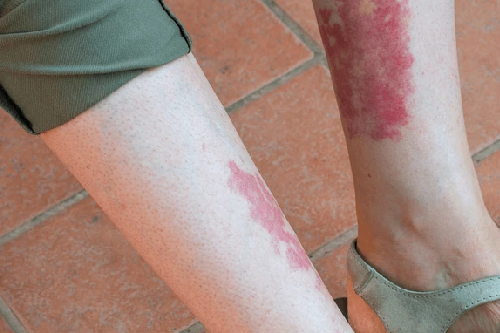
For accurate vasculitis diagnosis and treatment in Lucknow, trust The Velvet Skin Centre. Our dermatologist ensures expert care for healthier skin and blood vessels.
Dr. Asma Parveen, MBBS, MD Dermatology | 14+ Years Experience
⭐ 4.9 Google Rating | 1,800+ Reviews
Call to discuss your Vasculitis, Treatment Options & Cost.
Schedule a Consultation with a Top Skin Specialist in Lucknow.
Blood vessels can become inflamed as a result of vasculitis. Blood vessel walls may thicken as a result of the inflammation, reducing the diameter of the vessel’s entrance. Organ and tissue damage may result from reduced blood flow.
Vasculitis comes in a variety of forms, most of which are uncommon. Several organs may be affected by vasculitis, or simply one. The condition may be temporary or persistent.
While vasculitis can affect anybody, some forms are more prevalent in particular age groups. Depending on the type you have, you might get better on your own. The majority of types necessitate medicine to reduce inflammation and stop flare-ups.
Vasculitis is classified based on the size of the blood vessels affected.
| Type | Vessels Affected | Common Examples |
|---|---|---|
| Large Vessel Vasculitis | Aorta and its major branches | Giant cell arteritis, Takayasu arteritis |
| Medium Vessel Vasculitis | Main arteries and veins | Polyarteritis nodosa, Kawasaki disease |
| Small Vessel Vasculitis | Small arteries, arterioles, capillaries | ANCA-associated vasculitis, Henoch-Schönlein purpura |
Dr. Asma will identify your specific type during consultation to recommend the most effective treatment.
Although the precise cause is typically unknown, it is obvious that the immune system—the system that keeps the body healthy—plays a significant role.
The immune system typically defends the body, but it can occasionally become “overactive” and start attacking certain bodily parts. In the majority of vasculitis cases, something in the blood vessel walls triggers an immunological or “allergic” response.
Antigens are substances that trigger allergic reactions. This process can occasionally be initiated by specific medications or diseases acting as antigens.
Common symptoms include:
| Symptom | Description |
|---|---|
| Skin Rashes | Red or purple spots, ulcers |
| Fatigue | Persistent tiredness |
| Weakness | General lack of strength |
| Fever | Unexplained fever |
| Joint Pains | Aching or stiffness |
| Abdominal Pain | Discomfort in the abdomen |
| Kidney Problems | Dark or bloody urine |
| Nerve Problems | Numbness, weakness, and pain |
| Cough/Shortness of Breath | Respiratory symptoms |
Diagnosis typically involves a combination of tests to confirm inflammation of blood vessels and rule out other conditions.
| Diagnostic Test | What It Checks |
|---|---|
| Physical Examination | Skin rashes, ulcers, and other visible signs |
| Blood Tests | Inflammation markers (ESR, CRP), antibodies (ANCA) |
| Urine Tests | Kidney involvement (blood or protein in urine) |
| Biopsy | Tissue sample from affected area (skin, kidney, or other organ) |
| Imaging | CT scans, MRI, or angiography to detect vessel damage |
The goal of treatment is to reduce inflammation and address any underlying disorders that might be contributing to the vasculitis.
The most popular class of medication used to treat vasculitis-related inflammation is a corticosteroid, such as prednisone.
Corticosteroid side effects can be significant, particularly if you use them frequently. Diabetes, bone thinning, and weight gain are examples of potential adverse effects. You’ll probably be given the lowest dose of a corticosteroid if it’s required for long-term therapy.
| Medication | What It Does | Best For |
|---|---|---|
| Corticosteroids (Prednisone) | Reduce inflammation | First-line treatment |
| Cyclophosphamide | Suppresses immune system | Severe vasculitis |
| Mycophenolate (CellCept) | Suppresses immune system | Maintenance therapy |
| Azathioprine (Imuran, Azasan) | Suppresses immune system | Maintenance therapy |
| Methotrexate (Trexall) | Reduces inflammation | Mild-to-moderate cases |
| Tocilizumab (Actemra) | Blocks inflammation pathways | Giant cell arteritis |
| Rituximab (Rituxan) | Targets specific immune cells | ANCA-associated vasculitis |
Your particular drug needs will depend on the type and severity of your vasculitis, the organs affected, and any additional medical conditions you may have.
An aneurysm, which is a bulge or ballooning in a blood vessel’s wall, can occasionally be brought on by vasculitis. To lower the chance that it will rupture, this protrusion may require surgery. In order to restore blood flow to the affected area, blocked arteries may also need to be surgically treated.
he cost of vasculitis treatment depends on the type, severity, and treatment required.
| Service | Price |
|---|---|
| Consultation & Diagnosis | ₹500 |
| Blood Tests | Starting from ₹1,500 |
| Biopsy (if needed) | Starting from ₹3,000 |
| Medications (per month) | Starting from ₹1,000 |
| Immunosuppressants (per month) | Starting from ₹2,000 |
| Surgery (if needed) | Discussed at consultation |
*Final pricing is determined after your consultation with Dr. Asma, based on your specific needs and treatment plan.
While vasculitis cannot always be prevented, you can reduce flare-ups and manage the condition with these tips:

Dr. Asma Parveen is a renowned dermatologist with an MD in Dermatology and over 14 years of clinical experience. She is known for her honest approach, personalised treatment plans, and natural-looking results.
Vasculitis requires accurate diagnosis and a personalised treatment plan based on the type and severity. Dr. Asma personally evaluates every patient and works closely with other specialists when needed for comprehensive care.


Indira Nagar
Thakurganj
No, vasculitis is not contagious. It is an autoimmune or inflammatory condition and cannot be spread from person to person.
Vasculitis is a chronic condition that can be managed with treatment. Some types may resolve on their own, while others require long-term medication to control inflammation and prevent flare-ups.
Treatment duration varies by type and severity. Mild cases may improve within weeks, while chronic cases may require months or years of management. Your dermatologist will provide a personalised timeline.
At The Velvet Skin Centre:

Your exact cost will be confirmed at consultation.
Yes, vasculitis can affect any organ in the body, including the skin, kidneys, lungs, nerves, and gastrointestinal tract. Early diagnosis and treatment are essential to prevent organ damage.
You should see a dermatologist if you notice persistent skin rashes, purple spots, ulcers, or other symptoms like fever, joint pain, or fatigue. Early consultation is key to preventing complications.
Yes, vasculitis can recur, especially if the underlying cause is not fully addressed. Regular follow-ups and adherence to treatment significantly reduce the risk of recurrence.
Don’t let vasculitis affect your health and confidence. Book your consultation with Dr. Asma and experience personalised care with advanced treatment options.
Call us today at 8002558860 or fill out the form below to schedule your consultation and claim your 10% OFF on your first visit!
WhatsApp us