Find relief from hives treatment in Lucknow at The Velvet Skin Centre. Our expert skin specialist provides safe, effective therapies for chronic skin allergies.
Dr. Asma Parveen, MBBS, MD Dermatology | 14+ Years Experience
⭐ 4.9 Google Rating | 1,800+ Reviews
Call to discuss your Hives, Treatment Options & Cost.
Schedule Your Dermatology Consultation.
Get expert skin and hair care advice
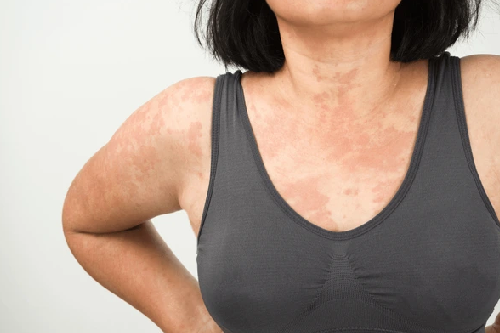
Urticaria, sometimes called hives, is a sudden outbreak of light red lumps or welts on the skin. The swelling that usually goes along with hives is known as angioedema.
Allergies, certain food ingredients, bug stings, sunlight, and medications can all cause hives. It might be challenging to identify the particular cause of hives.
Hives are raised, red patches or bumps on the skin that resemble welts. They are a type of swelling that develops on the surface of the skin and is caused by an allergic reaction. Allergy reactions happen when your immune system comes into contact with an allergen.
Intense itching is a common side effect of hives, but you may also feel burning or stinging. They might be as small as a fingertip or as large as a dinner plate. Hives are known as urticaria in medicine.
Sometimes the welts of hives might congregate to create plaques, which are larger areas. Hives frequently fade away in less than 24 hours, despite the fact that they could be visible for several days or more.
Understanding your type of hives is the first step toward effective treatment.
| Type | Duration | Common Causes |
|---|---|---|
| Acute Hives | Less than 6 weeks | Allergic reactions to food, drink, medication, or physical triggers |
| Chronic Hives | More than 6 weeks | Often not caused by allergies; may be linked to infections, lupus, or autoimmune conditions |
| Physical Hives | Varies | Triggered by heat, cold, pressure, vibration, or sunlight |
| Idiopathic Hives | Varies | No identifiable cause despite extensive testing |
Dr. Asma will identify your specific type during consultation to recommend the most effective treatment.
An allergic reaction to something you touch or put into your body, such as food, drink, or medicine, is commonly the cause of acute hives. Skin contains mast cells, which are immunological cells. Histamine is one of the chemicals these cells release while they are active. Histamine causes the development of hives.
Hives can also have other extra reasons. A few causes include having an illness, stress, or physical pressure on your skin. It’s common for doctors to be unable to precisely identify the cause of your hives.
Contrary to acute hives, chronic hives are often not caused by allergies. They may be brought on by viral or bacterial infections, lupus, or a combination of these conditions. Your doctor might be unable to pinpoint the exact cause. Chronic hives in these cases are described as spontaneous or idiopathic.
Chronic hives may last for a long time, but they usually go away by themselves. They can be uncomfortable even if they are not life-threatening.
Hives-related welts can include:
The majority of hives grow quickly and vanish in a day. The condition is known as acute hives. Chronic hives can last for months or years.
Your doctor can spot angioedema and hives just by glancing at your skin. Testing for allergies can help identify what is triggering a reaction, particularly for acute hives.
| Diagnostic Test | What It Checks |
|---|---|
| Skin Tests (Skin Prick/Scratch Test) | Medical practitioners test numerous allergies on your skin. Swelling or redness indicates an allergy. Usually not done for chronic hives. |
| Blood Tests | Your blood is tested for the existence of certain antibodies that fight allergies. |
| Medical History | Recent illnesses, medications, and triggers that may cause hives. |
| X-rays, Bloodwork, or Urine Testing | Additional testing may be requested to rule out underlying conditions. |
Our treatment approach begins with identifying your specific triggers and understanding how your skin responds to heat, cold, pressure, vibration, or other environmental factors.
However, since the cause is often unclear, the majority of hive sufferers require medication.
| Treatment | What It Does | Best For |
|---|---|---|
| Type-1 Antihistamines (Drowsy) | Cetirizine, hydroxyzine, diphenhydramine | Acute hives, itching |
| Type-1 Antihistamines (Non-Drowsy) | Loratadine, fexofenadine, desloratadine | Acute hives, daily management |
| Type-2 Antihistamines | Ranitidine, cimetidine, famotidine | Adjunct treatment |
| Leukotriene Inhibitors | Zafirlukast, montelukast, zileuton | Chronic hives |
| Oral Corticosteroids | Brief course to reduce inflammation | Severe flare-ups |
| Doxepin | Tricyclic antidepressant with antihistamine effects | Chronic hives |
Up to 90% of hive outbreaks go undiagnosed despite extensive testing; this condition is known as idiopathic urticaria. In roughly 50% of cases of idiopathic urticaria, an immune system reaction is most likely what causes hives (autoimmune reaction).
The cost of hives treatment depends on the treatment type and duration.
| Service | Price |
|---|---|
| Antihistamines | Starting from ₹200/month |
| Oral Corticosteroids | Starting from ₹500/course |
| Leukotriene Inhibitors | Starting from ₹800/month |
| Allergy Testing (Skin Prick) | Starting from ₹2,000 |
| Blood Tests | Starting from ₹1,500 |
| Package Pricing | Discounted rates available for multiple sessions |
*Final pricing is determined after your consultation with Dr. Asma, based on your specific needs and treatment plan.
Your doctor may use the results of allergy tests to help you pinpoint the causes of acute hives. Knowing your triggers will make it easier for you to avoid them. If you would like:
It may not be possible to prevent chronic hives. Your doctor might not be able to pinpoint their particular cause. They could also be signs of a more serious condition that weakens your immune system.

Dr. Asma Parveen is a renowned dermatologist with an MD in Dermatology and over 14 years of clinical experience. She is known for her honest approach, personalised treatment plans, and natural-looking results.

Hives can be acute or chronic, and identifying the underlying cause is key to effective treatment. Dr. Asma personally evaluates every patient, orders appropriate diagnostic tests, and creates a personalised plan to control flare-ups and restore comfort.


Indira Nagar
Thakurganj
Hives are raised, red, itchy welts on the skin caused by an allergic reaction. They can vary in size and may appear suddenly. The medical term is urticaria.
No, hives are not contagious. They are an immune system reaction and cannot be spread from person to person.
Acute hives are commonly caused by allergic reactions to food, drink, or medication. Chronic hives are often not allergy-related and may be linked to infections, lupus, or autoimmune conditions. In many cases, the exact cause remains unknown (idiopathic).
Acute hives typically fade within 24 hours but may persist for several days. Chronic hives can last for months or years.
You should see a dermatologist if hives persist for more than a few days, keep recurring, are accompanied by swelling of the lips or throat, or affect your daily life.
Diagnosis involves a physical examination, medical history, and possibly allergy testing (skin prick or blood tests). In most cases, the cause remains unidentified despite testing.
Treatment options include antihistamines (drowsy and non-drowsy), leukotriene inhibitors, oral corticosteroids, and in some cases, doxepin.
At The Velvet Skin Centre:
Your exact cost will be confirmed at consultation.
Acute hives can sometimes be prevented by avoiding known triggers (allergens, certain foods, temperature extremes). Chronic hives are often not preventable as the cause is frequently unknown.
Don’t let hives affect your comfort and daily life. Book your consultation with Dr. Asma and experience personalised care with advanced treatment options.
Call us today at 8002558860 or fill out the form below to schedule your consultation and claim your 10% OFF on your first visit!
WhatsApp us