Get advanced psoriasis treatment in Lucknow at The Velvet Skin Centre. Our expert dermatologist offers safe therapies to manage symptoms and restore skin comfort.
Dr. Asma Parveen, MBBS, MD Dermatology | 14+ Years Experience
⭐ 4.9 Google Rating | 1,800+ Reviews
Call to discuss your Psoriasis, Treatment Options & Cost.
Schedule Your Dermatology Consultation.
Get expert skin and hair care advice.
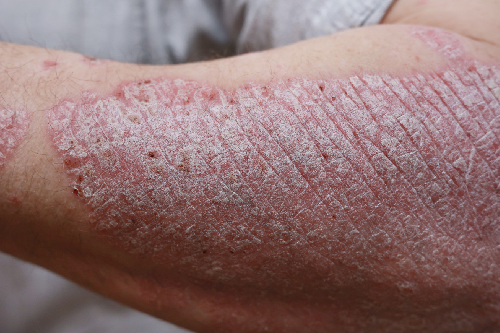
The knees, elbows, trunk, and scalp are the most typical areas of the body to develop a rash with itchy, scaly patches due to psoriasis.
Psoriasis is a frequent, chronic condition that has no cure. It may hurt, keep you up at night, and be difficult to focus on. The illness frequently goes through cycles where it will flare up for a few weeks or months before decreasing. Infections, cuts, burns, and specific drugs are common psoriasis triggers in persons with a hereditary predisposition to the condition.
There are treatments available to assist you in managing symptoms. In order to cope better with your psoriasis, you can also attempt different lifestyle choices and coping mechanisms.
Psoriasis is brought on by an overly reactive immune system that leads to skin inflammation.
Your immune system should eliminate foreign invaders like germs if you have psoriasis in order to keep you healthy and keep you from getting sick. Instead, your immune system could mistake foreign invaders for healthy cells. Your immune system therefore causes swelling or inflammation, which manifests as skin plaques on the surface of your skin.
In most cases, the growth and replacement of new skin cells takes up to 30 days. The period of time it takes for new skin cells to form is shortened to three to four days by your overactive immune system. Scales and frequent skin shedding are caused by the pace at which new cells replace dying ones on top of skin plaques.
Psoriasis is hereditary. Because biological parents may convey the disease to their offspring, psoriasis may have a genetic component.
An outbreak of psoriasis, also known as a flare-up, is brought on by contact with a trigger, which may be an allergy or an irritant. Different people experience different psoriasis outbreaks.
| Trigger | Examples |
|---|---|
| Emotional Stress | Stressful life events, anxiety |
| Infections | Streptococcal infection |
| Skin Injury | Cuts, scrapes, or surgery |
| Medications | Lithium, beta-blockers |
| Weather Changes | Changes in body temperature |
There is evidence of a hereditary susceptibility, although the exact cause of psoriasis is unknown. Psoriasis risk has been discovered to be increased by several genes.
Particularly, less than 1 in 10 children of parents with psoriasis will develop the condition themselves. If both parents have psoriasis, the likelihood rises to one in three.
But heredity alone cannot fully account for the occurrence of psoriasis. There are more elements that are involved.
| Risk Factor | Details |
|---|---|
| Tobacco | Smokers are twice as likely to develop psoriasis as non-smokers. Risk increases with quantity and duration of smoking. |
| Alcohol | Alcohol consumption appears to contribute to the development of psoriasis and may worsen symptoms and reduce treatment effectiveness. |
| Obesity | Gaining weight is an independent risk factor. Fat encourages inflammation, which leads to psoriasis. |
| Infections | Streptococcal pharyngitis is a common cause of guttate psoriasis. HIV can also trigger psoriasis. |
| Drugs | Lithium and beta-blockers can cause psoriasis. |
| Stress | Both the beginning of psoriasis and flare-ups are correlated with stress. |
| Weather | Psoriasis typically gets worse in winter and better in summer due to dry air, inadequate sunlight, and cold temperatures. |
The most typical psoriasis symptom is the development of dry, thick, and elevated patches on the skin. These patches frequently have a scale-like, silvery-white coating and might itch.
Psoriasis can induce a wide range of signs and symptoms in addition to the usual thickened, dry skin patches. What you perceive and experience varies depending on:
Psoriasis is classified into several types based on appearance and location:
| Type | Characteristics |
|---|---|
| Plaque Psoriasis | Most common type — thick, scaly patches on knees, elbows, scalp, and trunk |
| Guttate Psoriasis | Small, drop-shaped spots, often triggered by infections |
| Inverse Psoriasis | Smooth, inflamed patches in skin folds (armpits, groin, under breasts) |
| Pustular Psoriasis | Pus-filled blisters on red skin, may be widespread |
| Erythrodermic Psoriasis | Severe, widespread redness and shedding — medical emergency |
Dr. Asma will identify your specific type during consultation to recommend the most effective treatment.
There are numerous ways to treat psoriasis symptoms. Typical psoriasis therapies include:
| Treatment | What It Does | Best For |
|---|---|---|
| Steroid Creams | Reduce inflammation and slow skin cell growth | Mild-to-moderate plaques |
| Moisturizers | Hydrate dry skin and reduce scaling | All types |
| Anthralin | Slows skin cell production | Plaque psoriasis |
| Medicated Lotions/Shampoos | Treat scalp psoriasis | Scalp involvement |
| Vitamin D3 Ointment | Slows skin cell growth | Mild-to-moderate plaques |
| Vitamin A / Retinoid Creams | Normalize skin cell growth | Mild-to-moderate plaques |
| Phototherapy (UV Light) | Exposes skin to UV light to reduce inflammation | Widespread psoriasis |
| Systemic Medications | Oral or injectable drugs for severe cases | Moderate-to-severe psoriasis |
Small patches of your skin where the rash is present may only require creams or ointments to heal. You’ll want more treatments if your rash covers a greater area or if you additionally experience joint pain. The presence of joint pain could indicate arthritis.
Your doctor will choose a course of action based on:
The cost of psoriasis treatment depends on the treatment type, severity, and number of sessions required.
| Service | Price |
|---|---|
| Topical Medications | Starting from ₹500 |
| Phototherapy (per session) | Starting from ₹1,500 |
| Systemic Medications | Starting from ₹1,000/month |
| Package Pricing | Discounted rates available for multiple sessions |
*Final pricing is determined after your consultation with Dr. Asma, based on your specific needs and treatment plan.
While psoriasis cannot be prevented, you can reduce flare-ups with these tips:

Dr. Asma Parveen is a renowned dermatologist with an MD in Dermatology and over 14 years of clinical experience. She is known for her honest approach, personalised treatment plans, and natural-looking results.
Psoriasis requires long-term management and a personalised treatment plan based on the type and severity of the condition. Dr. Asma personally evaluates every patient and frequently combines topical treatments with phototherapy for optimal results.


Indira Nagar
Thakurganj
Psoriasis is a chronic autoimmune condition that causes dry, thick, and elevated patches on the skin. These patches frequently have a scale-like, silvery-white coating and might itch.
No, psoriasis is not contagious. It is an autoimmune condition and cannot be spread from person to person.
Psoriasis is a chronic condition without a permanent cure, but it is highly manageable. With the right treatment plan, flare-ups can be controlled, and skin health can be significantly improved.
Common triggers include emotional stress, infections (like streptococcal infection), skin injuries, certain medications (lithium, beta-blockers), and weather changes.
Yes, psoriasis has a genetic component. Less than 1 in 10 children of parents with psoriasis will develop the condition. If both parents have psoriasis, the likelihood rises to one in three.
Treatment options include steroid creams, moisturizers, vitamin D3 ointment, retinoid creams, phototherapy, and systemic medications. Your doctor will choose a plan based on the severity and location of your psoriasis.
At The Velvet Skin Centre:
Your exact cost will be confirmed at consultation.
Yes, some people with psoriasis develop psoriatic arthritis, which causes joint pain, stiffness, and swelling. If you experience joint pain, inform your dermatologist.
Don’t let psoriasis affect your daily comfort. Book your consultation with Dr. Asma and experience personalised care with advanced treatment options.
Call us today at 8002558860 or fill out the form below to schedule your consultation and claim your 10% OFF on your first visit!
WhatsApp us