Alopecia Areata Treatment in Lucknow

Alopecia areata often begins as a small, sudden patch of hair loss with no pain or warning, making early detection difficult. By the time it becomes noticeable, the condition may already be active and progressing.


Book appointment Now

Book Now & Get 10% OFF on Your First Visit!

Schedule Your Dermatology Consultation.
Get expert skin and hair care advice

At The Velvet Skin Centre, alopecia areata treatment in Lucknow is planned after a detailed clinical evaluation to confirm the diagnosis and assess disease activity. Under the guidance of Dr. Asma Parveen, a dermatologist with over 14 years of experience, each case is carefully evaluated before deciding the most appropriate treatment approach.

The Velvet Skin Centre offers 10% OFF on your first visit. Call +91 8002558860 to book your consultation.

What Causes Alopecia Areata?

Alopecia areata results from a combination of immune, genetic, and environmental factors, and understanding these factors helps determine the most appropriate management approach and reduce the risk of recurrence. 

Autoimmune Response


The immune system mistakenly attacks hair follicles, disrupting the normal hair growth cycle. This is the primary mechanism behind alopecia areata and is present in all cases regardless of severity.

The immune system mistakenly attacks hair follicles, disrupting the normal hair growth cycle. This is the primary mechanism behind alopecia areata and is present in all cases regardless of severity.

Significant emotional or physical stress may trigger or worsen episodes in susceptible individuals. Stress does not directly cause the condition, but can activate immune responses in those already predisposed.

Thyroid disorders and other autoimmune conditions may be present alongside alopecia areata. When suspected, Dr. Asma may recommend relevant blood tests to identify and manage these contributing factors as part of the treatment plan.

The immune system mistakenly attacks hair follicles, disrupting the normal hair growth cycle. This is the primary mechanism behind alopecia areata and is present in all cases regardless of severity.

The immune system mistakenly attacks hair follicles, disrupting the normal hair growth cycle. This is the primary mechanism behind alopecia areata and is present in all cases regardless of severity.

Significant emotional or physical stress may trigger or worsen episodes in susceptible individuals. Stress does not directly cause the condition, but can activate immune responses in those already predisposed.

Thyroid disorders and other autoimmune conditions may be present alongside alopecia areata. When suspected, Dr. Asma may recommend relevant blood tests to identify and manage these contributing factors as part of the treatment plan.

Who Should Seek Alopecia Areata Treatment in Lucknow?

Early evaluation improves the chances of regrowth and helps prevent the condition from progressing or spreading to new areas.

Sudden round or patchy hair loss


Problem: One or more smooth bald patches appear suddenly on the scalp without any clear cause.

Solution: Early assessment helps determine whether the condition is active, enabling timely treatment to support regrowth and prevent further expansion.

Problem: Existing patches are increasing in size, or new areas of hair loss are appearing quickly.

Solution: Active cases require early medical management to control immune activity and limit further follicle damage.

Problem: Patchy hair loss extends beyond the scalp to areas like the beard or eyebrows.

Solution: The pattern and severity are evaluated to decide a targeted treatment plan based on affected regions.

Problem: Hair loss improves temporarily and then returns after some time.

Solution: Long-term management is needed to stabilise the condition and reduce recurrence.

Problem: One or more smooth bald patches appear suddenly on the scalp without any clear cause.

Solution: Early assessment helps determine whether the condition is active, enabling timely treatment to support regrowth and prevent further expansion.

Problem: Existing patches are increasing in size, or new areas of hair loss are appearing quickly.

Solution: Active cases require early medical management to control immune activity and limit further follicle damage.

Problem: Patchy hair loss extends beyond the scalp to areas like the beard or eyebrows.

Solution: The pattern and severity are evaluated to decide a targeted treatment plan based on affected regions.

Problem: Hair loss improves temporarily and then returns after some time.

Solution: Long-term management is needed to stabilise the condition and reduce recurrence.

How Alopecia Areata Is Evaluated and Treated at The Velvet Skin Centre

At The Velvet Skin Centre, alopecia areata is evaluated and treated through a structured clinical process based on disease activity, scalp condition, and individual response patterns. 

Step 1: Clinical Evaluation


Dr. Asma conducts a detailed scalp examination, assesses the pattern and extent of hair loss, and reviews medical and family history. Blood tests are requested where autoimmune or nutritional factors are suspected.

Based on the evaluation, Dr. Asma determines whether the condition is active, stable, or recurrent. This assessment directly determines which treatment approach is most appropriate for your case.

Treatment is selected based on disease activity, severity, and the areas involved. The following may be recommended individually or in combination.

Medical Management

Anti-inflammatory and immune-modulating medications are used to control active disease progression. The type and form of medication depend on the severity and extent of hair loss.

Intralesional Therapy

Targeted injections are administered directly into affected patches to stimulate regrowth in selected cases. This is one of the most commonly used treatments for localised alopecia areata.

PRP Therapy

Platelet-Rich Plasma supports follicle recovery in stable or partially responsive cases by delivering concentrated growth factors to the scalp. It is used alongside medical management rather than as a standalone treatment for alopecia areata.

GFC Therapy

Growth Factor Concentrate provides enhanced regenerative support in selected cases where additional follicle stimulation is needed to improve density and response to treatment.

Supportive Scalp Care

Scalp health management reduces secondary factors that may worsen the condition or impair treatment response. This includes management of scalp inflammation, seborrhoeic dermatitis, or nutritional deficiencies where present.

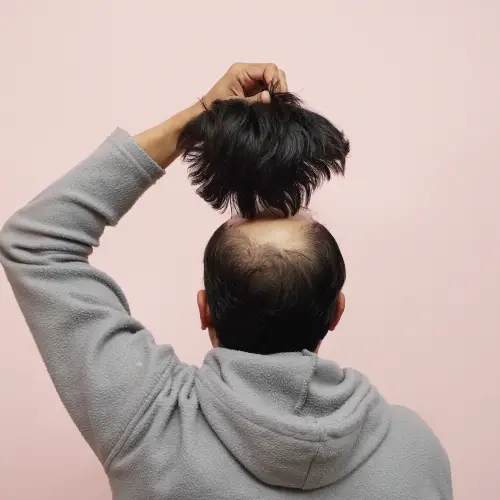
Alopecia areata may recur, so follow-up is an important part of care. Dr. Asma monitors progress, evaluates regrowth, and adjusts the treatment plan based on response over time. 

Dr. Asma conducts a detailed scalp examination, assesses the pattern and extent of hair loss, and reviews medical and family history. Blood tests are requested where autoimmune or nutritional factors are suspected.

Based on the evaluation, Dr. Asma determines whether the condition is active, stable, or recurrent. This assessment directly determines which treatment approach is most appropriate for your case.

Treatment is selected based on disease activity, severity, and the areas involved. The following may be recommended individually or in combination.

Medical Management

Anti-inflammatory and immune-modulating medications are used to control active disease progression. The type and form of medication depend on the severity and extent of hair loss.

Intralesional Therapy

Targeted injections are administered directly into affected patches to stimulate regrowth in selected cases. This is one of the most commonly used treatments for localised alopecia areata.

PRP Therapy

Platelet-Rich Plasma supports follicle recovery in stable or partially responsive cases by delivering concentrated growth factors to the scalp. It is used alongside medical management rather than as a standalone treatment for alopecia areata.

GFC Therapy

Growth Factor Concentrate provides enhanced regenerative support in selected cases where additional follicle stimulation is needed to improve density and response to treatment.

Supportive Scalp Care

Scalp health management reduces secondary factors that may worsen the condition or impair treatment response. This includes management of scalp inflammation, seborrhoeic dermatitis, or nutritional deficiencies where present.
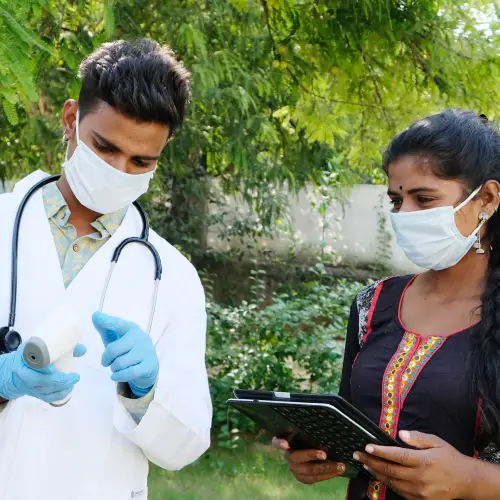
Alopecia areata may recur, so follow-up is an important part of care. Dr. Asma monitors progress, evaluates regrowth, and adjusts the treatment plan based on response over time. 

Alopecia Areata Treatment Timeline

Response to treatment varies from person to person and depends on disease activity, extent of hair loss, and consistency of follow-up care.

Stage

What You Experience

Timeline

Initial Consultation

Evaluation, diagnosis, and treatment plan preparation

Day 1

Treatment Start

Medical therapy or intralesional injections begin

First 2 to 4 weeks

Early Response

Reduced patch expansion and early signs of regrowth

4 to 8 weeks

Visible Regrowth

New hair starts appearing in affected areas

2 to 4 months

Density Improvement

Regrown hair becomes thicker and more uniform

4 to 6 months

Maintenance Phase

Regular follow-up to monitor activity and prevent recurrence

Ongoing

Cost of Alopecia Areata Treatment in Lucknow

The cost of alopecia areata treatment in Lucknow varies based on the severity of the condition, number of patches, and the treatment approach recommended after clinical evaluation. A fixed cost is not possible without assessing the case.

Treatment

Approximate Cost Range

Consultation

₹500 to ₹1,500

Medical therapy

₹1,000 to ₹3,000 per month

Intralesional treatment

₹1,500 to ₹5,000 per session

PRP therapy

₹3,000 to ₹8,000 per session

GFC therapy

₹3,500 to ₹8,000 per session

Note: For an accurate cost estimate based on your condition, call +91 8002558860 or visit The Velvet Skin Centre for a clinical consultation.

What Other Treatment Options May Be Recommended?

In some cases, alopecia areata treatment is combined with additional therapies to improve response, support regrowth, and manage underlying scalp conditions.

Medical management support


Oral or topical medications may be continued to control immune activity and reduce further progression of patchy hair loss.

Platelet-Rich Plasma may be used in selected cases to support follicle recovery and improve regrowth in active or recovering patches.

Growth Factor Concentrate may be recommended for additional regenerative support when stronger follicle stimulation is required.

In localised patches, targeted injections may be continued alongside other treatments to stimulate regrowth in affected areas.

Treatment of dandruff, inflammation, or nutritional deficiencies may be included to improve scalp condition and overall treatment response.

Oral or topical medications may be continued to control immune activity and reduce further progression of patchy hair loss.

Platelet-Rich Plasma may be used in selected cases to support follicle recovery and improve regrowth in active or recovering patches.

Growth Factor Concentrate may be recommended for additional regenerative support when stronger follicle stimulation is required.

In localised patches, targeted injections may be continued alongside other treatments to stimulate regrowth in affected areas.

Treatment of dandruff, inflammation, or nutritional deficiencies may be included to improve scalp condition and overall treatment response.

Meet Dr. Asma, Dermatologist in Lucknow

Dr. Asma Parveen is a dermatologist with over 14 years of experience in dermatology and cosmetology, with expertise in managing alopecia areata and other autoimmune hair and scalp conditions.

At The Velvet Skin Centre, she evaluates each case through a detailed clinical assessment to understand disease activity, pattern, and progression. Treatment decisions are made based on clinical findings and individual response rather than a fixed protocol, ensuring a stage-appropriate approach for every patient.

Why Patients Choose The Velvet Skin Centre for Alopecia Areata Treatment in Lucknow

Alopecia areata requires a precise diagnosis because it can resemble other forms of hair loss. Treatment outcomes depend on correctly identifying disease activity and selecting the appropriate medical approach for each case.

Accurate diagnosis before treatment


Alopecia areata is evaluated through clinical examination and, when required, blood tests to rule out underlying causes. It is not treated as general hair loss, ensuring a more targeted approach.

Treatment is planned based on whether the condition is active, stable, or recurrent. Options such as medical therapy, intralesional treatment, PRP, and GFC are selected based on clinical need rather than routine use.

All consultations and treatment plans are carried out under the guidance of Dr. Asma Parveen throughout the course of care, ensuring continuity and clinical oversight.

Since recurrence is common in alopecia areata, follow-up is an essential part of the treatment plan. Progress is monitored and management is adjusted based on response.
Alopecia areata is evaluated through clinical examination and, when required, blood tests to rule out underlying causes. It is not treated as general hair loss, ensuring a more targeted approach.

Treatment is planned based on whether the condition is active, stable, or recurrent. Options such as medical therapy, intralesional treatment, PRP, and GFC are selected based on clinical need rather than routine use.

All consultations and treatment plans are carried out under the guidance of Dr. Asma Parveen throughout the course of care, ensuring continuity and clinical oversight.

Since recurrence is common in alopecia areata, follow-up is an essential part of the treatment plan. Progress is monitored and management is adjusted based on response.

Book Your Alopecia Areata Consultation in Lucknow

If you have noticed sudden patchy hair loss that is expanding or recurring, early evaluation is the most important step. At The Velvet Skin Centre, Dr. Asma assesses disease activity and recommends the treatment approach most appropriate for your condition and its current stage.

You can visit the clinic at Indira Nagar, Chowk, or Thakurganj. Call +91 8002558860 to book your appointment.

FAQs

Is alopecia areata permanent?


Not always. Many patients experience regrowth, especially when treatment starts early and the condition is properly monitored. However, recurrence can occur depending on immune activity, making follow-up care an important part of long-term management. 

Alopecia areata is mainly an autoimmune condition where the body affects hair follicles. It may be triggered or worsened by stress, genetic predisposition, or associated conditions like thyroid disorders in susceptible individuals.

Yes, hair regrowth is possible, particularly in early or mild cases where follicles remain active. Results depend on disease stage, immune activity, and how early appropriate treatment is started.

No, alopecia areata is not contagious. It is an autoimmune condition and cannot be spread through physical contact, sharing personal items, or close interaction with another person.

Response varies from person to person. Early regrowth may appear within 4 to 8 weeks, while more visible improvement in density usually develops over 2 to 4 months. Ongoing treatment is often needed for stable results.

Not always. Many patients experience regrowth, especially when treatment starts early and the condition is properly monitored. However, recurrence can occur depending on immune activity, making follow-up care an important part of long-term management. 

Alopecia areata is mainly an autoimmune condition where the body affects hair follicles. It may be triggered or worsened by stress, genetic predisposition, or associated conditions like thyroid disorders in susceptible individuals.

Yes, hair regrowth is possible, particularly in early or mild cases where follicles remain active. Results depend on disease stage, immune activity, and how early appropriate treatment is started.

No, alopecia areata is not contagious. It is an autoimmune condition and cannot be spread through physical contact, sharing personal items, or close interaction with another person.

Response varies from person to person. Early regrowth may appear within 4 to 8 weeks, while more visible improvement in density usually develops over 2 to 4 months. Ongoing treatment is often needed for stable results.

Believe on us

What Our Patients have to Say

[grw id=480][elementor-template id=”6482″]