

If you are searching for how to get clear skin, you are likely dealing with acne, uneven tone, dull texture, or repeated breakouts. These concerns affect confidence and often create confusion because skincare advice online feels fragmented and unreliable.
Clear skin does not come from expensive products or complex routines. It comes from understanding how skin works and supporting it through consistent, evidence-backed care.
This guide explains how to get clear skin using dermatology-led knowledge, clinical experience, and research-supported practices. Every recommendation stays practical, safe, and suitable for everyday life.
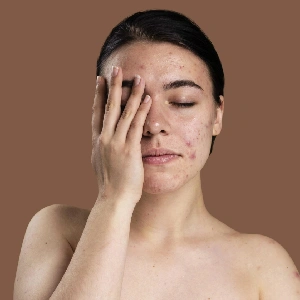
Why Skin Loses Clarity Even with Regular Skincare
Skin reflects internal balance and daily exposure. When either shifts, clarity declines. Even consistent skincare fails when underlying triggers remain unaddressed.
Several factors contribute to acne, uneven tone, and dull texture:
- Hormonal changes and oil imbalance: Hormonal fluctuations increase oil production. Excess oil mixes with dead skin cells and clogs pores, leading to acne, congestion, and uneven texture.
- Stress and poor sleep quality: Stress raises cortisol levels, which increases oil gland activity and inflammation. Poor sleep interferes with skin repair cycles, which slows healing and worsens breakouts.
- Overuse or misuse of skincare products: Overwashing strips protective oils and triggers rebound oil production. Layering too many active ingredients weakens the skin barrier and increases irritation.
- Skipping consistent sun protection: Daily sun exposure increases pigmentation and inflammation. Skincare routines lose effectiveness when sunscreen remains inconsistent, even indoors.
- Diet-related inflammatory triggers: High sugar intake raises insulin levels, which stimulates oil production. This internal response contributes to breakouts even when topical care stays consistent.
- Compromised skin barrier function: A weakened skin barrier loses moisture and allows irritants to penetrate easily. Dermatology research shows barrier damage plays a central role in acne, sensitivity, and uneven texture.
Clear skin starts with identifying these triggers and restoring barrier balance, not increasing product use.
8 Practical Tips to Get Clear, Healthy Skin
Clear skin improves when daily care aligns with skin biology. These tips reflect dermatologist-backed practices and medically guided skin care approaches focused on long-term clarity and skin health.
1. Cleanse gently, not aggressively
Cleansing removes oil, sweat, and pollutants. Overcleansing strips protective oils and triggers rebound oil production. The right cleanser depends on your skin type, oil levels, and sensitivity.
A personalized skin assessment during a dermatologist consultation helps identify the most suitable cleansing routine and prevents barrier damage early on.
2. Protect your skin from sun exposure every day
Sun exposure worsens pigmentation, inflammation, and post-acne marks. Sunscreen remains essential even on cloudy days and indoors due to UVA exposure.
Patients undergoing pigmentation treatment for uneven skin tone see better results when sun protection forms part of their daily routine.
3. Avoid mixing too many active ingredients
Layering multiple acids, retinoids, and acne products weakens the skin barrier. Barrier damage increases breakouts, redness, and sensitivity.
Structured medical acne treatment under a dermatologist’s guidance simplifies routines and introduces active ingredients safely.
4. Support skin repair with targeted treatments
Persistent acne, pigmentation, or texture concerns respond better to targeted treatments than over-the-counter experimentation.
Professionally supervised chemical peel treatments improve cell turnover, unclog pores, and support clearer skin with controlled results.
5. Focus on barrier repair, not constant exfoliation
Frequent exfoliation delays healing and increases sensitivity. Barrier-focused care restores hydration and resilience.
Hydration-focused medi facials designed for skin barrier repair support recovery while improving texture and comfort.
6. Manage stress and sleep consistently
Stress increases cortisol, which stimulates oil production and inflammation. Poor sleep disrupts skin renewal cycles.
During a holistic skin care consultation, dermatologists often assess lifestyle patterns that contribute to breakouts and delayed healing.
7. Adjust diet to reduce inflammatory triggers
High sugar intake raises insulin levels, which increases oil production. Diet-related triggers vary between individuals.
Guided acne and lifestyle counseling helps identify food patterns linked to breakouts and supports long-term clarity.
8. Seek professional guidance when progress stalls
When breakouts, pigmentation, or scarring persist despite routine care, professional evaluation becomes necessary.
Access to advanced dermatology treatments helps address root causes and prevents unnecessary product misuse.
How Daily Habits Influence Skin Clarity and Glow
Many people searching for how to get clear skin naturally focus only on skincare products, yet daily habits influence skin clarity more than most routines. Skin responds to hydration levels, sleep quality, stress patterns, and hygiene practices. When these factors remain imbalanced, breakouts and dullness persist despite regular skincare.
Hydration supports oil balance. Dehydrated skin increases oil output, which clogs pores. Adequate water intake supports barrier strength and reduces congestion. Sleep regulates inflammation and repair, and studies show higher acne severity in people sleeping fewer than six hours. Stress also affects breakouts and pigmentation by increasing oil production and inflammation.
Hygiene habits further influence clarity:
- Change pillowcases twice weekly
- Avoid touching your face unnecessarily
- Clean makeup brushes regularly
Together, these daily adjustments support how to get clear, glowing skin naturally at home without aggressive treatments.
What does an Effective Skincare Routine focus on for Clear Skin
Clear skin requires a routine that protects the skin barrier and avoids irritation. Consistency matters more than product quantity.
-
Day skincare routine
Day skincare focuses on protecting skin from daily exposure. Gentle cleansing removes overnight oil buildup. Antioxidants help limit environmental damage, moisturizers maintain hydration balance, and daily sunscreen protects against pigmentation and premature aging. Consistent sun protection supports even skin tone and clarity.
-
Night skincare routine
Night skincare supports repair and recovery. Cleansing removes dirt, oil, sunscreen, and pollutants. Targeted treatments address acne or texture concerns, while moisturizers support overnight barrier repair and skin renewal.
Frequent product changes delay improvement. Skin needs time to respond, and routine consistency remains essential for achieving clear, glowing skin without irritation
Key ingredients dermatologists trust for clear, healthy skin
Ingredient selection matters more than brand popularity. Dermatologists focus on ingredients with proven clinical benefits rather than marketing claims. The table below explains the most commonly recommended ingredients and why they support clear skin.
| Ingredient | Why dermatologists rely on it |
| Salicylic acid | Penetrates pores to dissolve excess oil and dead skin cells, which helps reduce congestion, blackheads, and acne. Clinical studies show visible improvement in comedonal acne within weeks of consistent use. |
| Benzoyl peroxide | Targets acne-causing bacteria and reduces inflammation, which helps control active breakouts and prevent new lesions from forming. |
| Niacinamide | Regulates oil production, calms inflammation, and supports the skin barrier, which improves texture and reduces redness over time. |
| Vitamin C | Improves skin brightness and supports collagen production, which helps even skin tone and reduce dullness. |
| Alpha hydroxy acids | Promote controlled surface exfoliation, which improves texture and allows skincare products to absorb more effectively. |
| Azelaic acid | Addresses acne and pigmentation together by reducing inflammation and inhibiting excess melanin production. |
| Ceramides | Strengthen the skin barrier and prevent moisture loss, which reduces sensitivity and supports long-term skin health. |
| Hyaluronic acid | Improves hydration by attracting and retaining moisture, which supports smooth texture and barrier function. |
| Panthenol | Soothes irritation and supports barrier repair, making it suitable for sensitive or inflamed skin. |
Avoid alcohol-heavy formulations and abrasive scrubs. These weaken the skin barrier, increase irritation, and delay progress for anyone trying to get clear skin naturally.
How diet supports clear and glowing skin
Diet influences skin health through hormonal balance and inflammatory response. What you eat affects oil production, breakouts, and overall skin clarity.
High-glycemic foods raise insulin levels, which stimulate oil production and worsen acne. Research links diets high in refined sugar with increased acne severity and prolonged inflammation.
Skin-supportive diets focus on whole, nutrient-dense foods:
- Leafy greens
- Whole grains
- Nuts and seeds
- Fatty fish
Omega-3 fatty acids help reduce inflammatory acne and support skin barrier health, backed by dermatology research.
Some individuals notice acne flare-ups related to dairy intake. A temporary reduction helps identify personal triggers and supports clear skin naturally at home through informed dietary choices.
Common Mistakes That Delay Clear Skin Results
Many people unknowingly slow progress through everyday habits. Even a well-planned routine loses effectiveness when these mistakes continue.
- Overcleansing the skin: Washing the face too often strips natural oils and disrupts barrier balance. This triggers rebound oil production, which leads to clogged pores and recurring breakouts.
- Excessive exfoliation: Frequent exfoliation damages the skin barrier and increases sensitivity. Barrier disruption delays healing and worsens acne, redness, and uneven texture.
- Picking or squeezing acne lesions: Picking acne spreads bacteria and increases inflammation. Dermatology studies show this habit significantly raises the risk of scarring and post-acne marks.
- Skipping sunscreen indoors: UVA rays penetrate windows and worsen pigmentation. Skipping sunscreen indoors slows improvement in skin tone and prolongs post-acne discoloration.
- Using expired or unsuitable products: Expired products lose stability and irritate skin. Using formulas not suited to your skin type increases breakouts and delays recovery.
Correcting these habits accelerates how to get clear, glowing skin safely and supports long-term skin health.
Conclusion
Clear skin develops through steady habits, informed skincare choices, and patience. Focus on gentle cleansing, daily sun protection, balanced nutrition, stress control, and routine consistency. Avoid harsh treatments, over-exfoliation, and frequent product changes. Support the skin barrier before addressing advanced concerns. When home routines stop delivering progress, professional dermatology care provides clarity and direction. With expert guidance and disciplined daily care, clear and glowing skin becomes achievable and sustainable over time.
Get Expert Dermatology Care for Clear, Healthy Skin
If acne, pigmentation, or uneven skin tone affects your confidence, expert dermatology guidance provides clarity and direction. For personalized skin evaluation and treatment planning, call +91 8002558860 to book a consultation or visit The Velvet Skin Centre at 23, Amrapali Market, B Block, Indira Nagar, Lucknow, Uttar Pradesh 226016, where medically guided skincare focuses on long-term skin health, safety, and visible results.
Indira Nagar: The Velvet Skin Centre, Amrapali Market, 23, B Block, Indiranagar, Lucknow, Uttar Pradesh 226016
Thakurganj: The Velvet Skin Centre, Near Ghante Wala Sweets, Thakurganj, Daulatganj, Lucknow, Uttar Pradesh 226003
FAQs
How long does it take to see clear skin results?
Skin renews in cycles of about 28 days. Acne reduction often shows within four to six weeks, texture improves in six to eight weeks, and pigmentation fades over eight to twelve weeks with consistent care and sun protection.
How to get clear skin naturally at home?
Clear skin at home improves through consistent habits. Drink enough water, follow a gentle skincare routine, protect skin from sun exposure, manage stress, sleep well, and avoid harsh products. Consistency supports gradual, visible improvement.
How to get clear, glowing skin with the help of a professional dermatologist clinic?
A professional dermatologist clinic evaluates skin type, corrects routines, provides targeted treatments, guides sun protection, and addresses lifestyle triggers. This expert-led care improves skin texture, tone, and long-term clarity safely over time.
How to get clear skin without damaging the skin barrier?
Protect the skin barrier by cleansing gently, avoiding over-exfoliation, using sunscreen daily, and limiting active ingredients. Barrier-focused care reduces irritation, supports hydration, and helps skin heal, which improves clarity and natural glow over time.
How to get clear skin with a simple daily routine?
Clear, glowing skin is achieved with a simple routine that includes gentle cleansing, daily sunscreen use, light moisturization, adequate hydration, balanced meals, and regular sleep. Consistency with these steps supports skin barrier health and gradual improvement.