

Collagen is often called the “youth protein”—and for good reason. This vital protein creates the structural foundation of your skin, maintaining its firmness, smoothness, and youthful appearance. However, our bodies begin producing less collagen as the years pass. Research shows that after age 30, collagen synthesis drops by approximately 1% annually, which gradually leads to fine lines, wrinkles, and skin sagging.
Many patients ask Dr Asma , “Can I improve my skin’s collagen by just eating the right foods?”
The short answer: Yes—your diet can support collagen production. But diet alone cannot reverse collagen loss completely, especially if you already have visible signs of aging. That’s where advanced treatments come in, and at The Velvet Skin Centre, we specialize in these proven procedures.
This blog explains how collagen works, which foods help boost it naturally, and how combining nutrition with dermatology procedures gives the best anti-aging results.
What Is Collagen and Why Does It Matter?
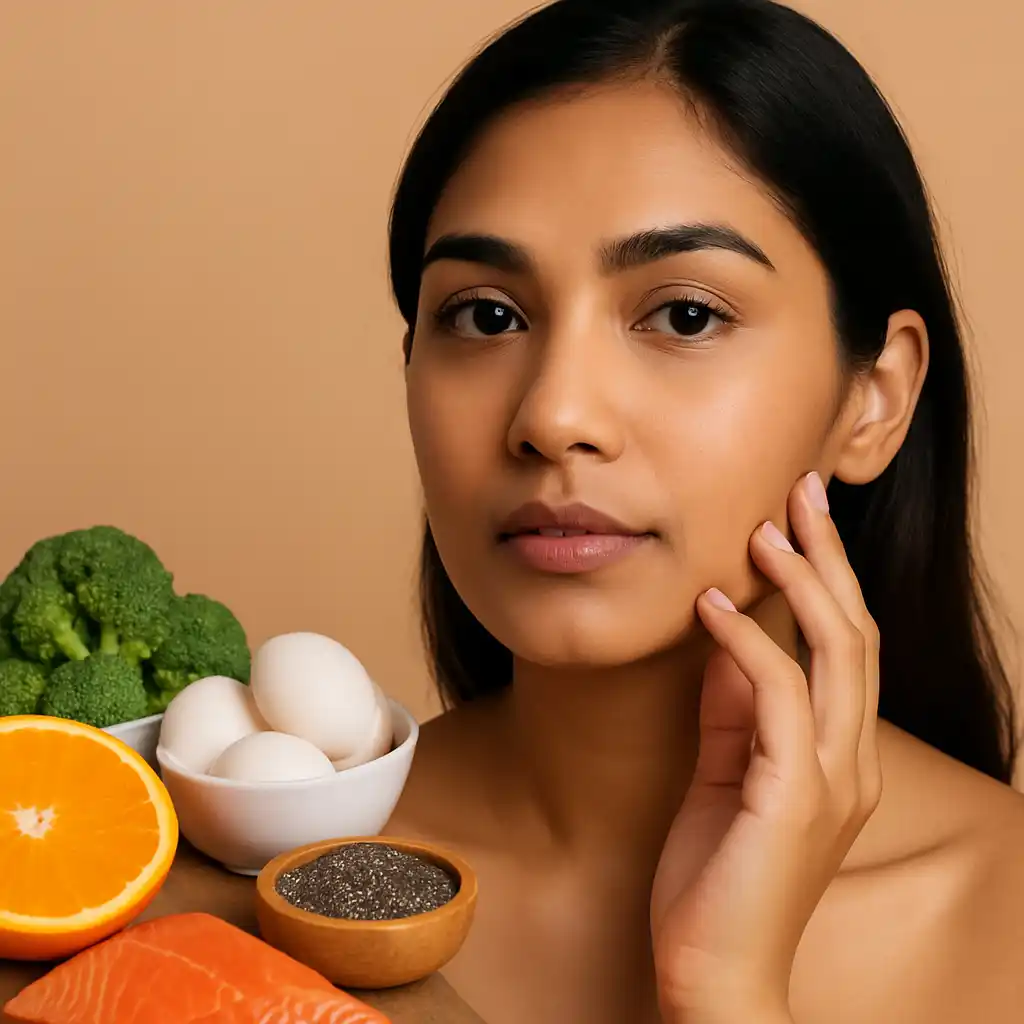
Collagen serves as a structural protein that provides your skin with strength and elasticity. This protein creates your skin’s underlying support system and maintains its plump, youthful appearance. Starting as early as your mid-20s, your body’s collagen manufacturing process begins to slow due to:
- Natural aging
- Sun exposure and UV damage
- Unhealthy habits like smoking and excess sugar intake
- Hormonal changes, especially after 30
What the research shows: Studies show that collagen content peaks between ages 25-34, then gradually declines by approximately 25% over 4 decades. UV exposure can reduce collagen by up to 1% annually, while smoking cuts collagen synthesis by up to 40%.
We often see people in Lucknow with early signs of aging—fine lines, wrinkles, or loss of firmness—who want to know if diet alone can fix collagen loss. While eating right supports collagen synthesis, lost collagen cannot be fully restored without treatments like microneedling with PRP or laser therapy.
Top Nutrients and Foods That Support Collagen Production
1. Vitamin C: Essential for converting amino acids into collagen. Studies show that 1000mg daily vitamin C can increase collagen synthesis by 8 times compared to placebo.
Sources: Amla , oranges, guava, bell peppers, kiwi.
2. Protein-Rich Foods: Collagen is made from amino acids like proline and glycine.
Sources: Eggs, chicken, fish, paneer, lentils, chickpeas.
3. Zinc and Copper: Minerals that help activate collagen-producing enzymes.
Sources: Nuts, seeds, whole grains, dark chocolate.
4. Antioxidant-Rich Foods: Protect existing collagen from damage.
Sources: Spinach, kale, tomatoes, carrots, green tea.
5. Omega-3 Fatty Acids: Reduce inflammation and keep skin hydrated.
Sources: Walnuts, chia seeds, flaxseeds, salmon.
6. Bone Broth & Gelatin: Contain collagen peptides that may support skin health.
Habits That Destroy Collagen
Even with excellent nutrition, collagen breakdown can accelerate if you:
- Consume excess sugar (causes collagen stiffening through glycation)
- Skip sunscreen (UV rays damage collagen fibers)
- Smoke or drink excessively
- Stay stressed or sleep-deprived
Do Collagen Supplements Work?
Collagen powders and capsules use broken-down collagen pieces that your digestive system can process more easily.
What the research says: A 2021 systematic review and meta-analysis published in PubMed found that hydrolyzed collagen supplementation showed favorable results compared with placebo in terms of skin hydration, elasticity, and wrinkles.
Realistic expectations: Benefits typically appear after 4-8 weeks of consistent use, but effects are subtle and vary between individuals.
But for visible anti-aging or scar correction, supplements alone are rarely enough. That’s why many clinics combine oral supplements with advanced clinical procedures like microneedling with PRP, CO2 laser, or RF microneedling, which stimulate collagen directly in the skin.
Dermatology Treatments to Boost Collagen
When patients are looking for noticeable improvements in their skin, popular treatment options include:
Microneedling with PRP
Uses your own platelets to boost collagen naturally.
- Results: Studies show 400% increase in collagen at 6 months
- Timeline: Initial results at 4-6 weeks, peak results at 3-6 months
- Sessions needed: 3-4 treatments spaced 4-6 weeks apart
Fractional CO2 Laser
Reduces wrinkles, scars, and improves texture.
- Results: 15-20% improvement in wrinkles, 30% improvement in skin texture
- Timeline: Results visible at 2-3 months, continue improving for 6 months
- Downtime: 5-7 days of redness and peeling
RF Microneedling
Tightens skin and stimulates deep collagen.
- Timeline: Gradual improvement over 3-6 months
- Sessions: 3-4 treatments recommended
Thread Lifts & Fillers
Provide instant lifting while triggering collagen production.
These procedures, when combined with the right diet and skincare, give long-lasting results.
Realistic Expectations and Side Effects
What to expect with nutrition alone:
- Improved skin hydration and general health
- Slower rate of collagen decline
- Timeline: 2-3 months for noticeable changes
What to expect with combined approach:
- Visible improvement in fine lines and skin texture
- Enhanced skin firmness and elasticity
- Timeline: 3-6 months for optimal results
Possible side effects of treatments:
- Temporary redness and swelling (1-7 days)
- Mild discomfort during treatment
- Temporary darkening of pigmentation (rare)
- Risk of infection if aftercare isn’t followed
Who should avoid treatments:
- Pregnant or breastfeeding women
- Active acne or skin infections
- Certain autoimmune conditions
- Recent isotretinoin use
Diet + Treatments = The Best Results
The best results come when you combine multiple strategies for healthier skin:
- Eat a nutrient-rich diet full of Vitamin C, protein, and antioxidants
- Use sunscreen daily to prevent collagen breakdown
- Schedule annual collagen-boosting treatments for anti-aging and skin rejuvenation
Final Advice
Food can support your skin’s collagen, but treatments can restore and enhance it effectively. Think of collagen like a savings account—your diet is the deposit, while professional treatments multiply the results.
If you want to prevent premature aging or reverse early wrinkles, consult a qualified dermatologist. With personalized guidance, science-backed procedures, and the right nutrition, you can achieve firm, youthful, and glowing skin.
Remember: Individual results vary significantly. Everyone’s skin responds differently to treatments and supplements. Always work with qualified healthcare providers for personalized recommendations.
Ready to Transform Your Skin?
At The Velvet Skin Centre in Lucknow, all the collagen-boosting treatments mentioned in this guide are available under the expertise of Lucknow’s best dermatologists. From microneedling with PRP to CO2 laser and RF microneedling, we offer personalized treatment plans designed for your specific skin concerns.
Don’t wait to start your journey to healthier, more youthful skin. Call 8002558860 and book your appointment today to discover which treatments are right for you.
Visit The Velvet Skin Centre
Indira Nagar: The Velvet Skin Centre, 23, Amrapali Market, B Block, Indira Nagar, Lucknow, Uttar Pradesh 226016
Thakurganj: The Velvet Skin Centre, Near Ghante Wala Sweets, Thakurganj, Daulatganj, Lucknow, Uttar Pradesh 226003
📞Call: 8002558860
FAQs: What Patients Ask Most
Q1. Can collagen-boosting foods remove wrinkles?
They help support collagen production but work best when paired with dermatologist treatments. Research shows diet alone provides subtle improvements over 2-3 months.
Q2. Which vitamins are best for collagen?
Vitamin C, zinc, and copper are essential for collagen synthesis. Daily requirements are 65-90mg vitamin C, 8-11mg zinc, and 900mcg copper.
Q3. Are collagen supplements safe?
Yes, they are safe for most people, especially when combined with a balanced diet. Results appear after 4-8 weeks but vary between individuals.
Q4. At what age should I start collagen treatments?
Collagen support should ideally begin in your mid-20s, but treatments can benefit any age. Prevention is always more effective than correction.
Q5. How long do collagen treatments last?
Results typically last 12-18 months, depending on the treatment type, individual factors, and maintenance routine.
Q6. What’s the best collagen treatment?
The best treatment depends on your skin concerns, budget, and downtime tolerance. Options include microneedling with PRP, CO2 laser, and RF microneedling—each customized for individual needs.