

Have you ever wondered if you could finally break free from the endless cycle of shaving and waxing? Many people seek a permanent solution to manage unwanted body hair, yet they worry about the safety of modern aesthetic procedures on Indian skin tones.
Laser hair removal in Lucknow offers a sophisticated medical approach to achieving smooth skin. By utilizing concentrated light energy, these treatments target the pigment within the follicle to inhibit future growth over several sessions.
Results often depend on your unique hair thickness, skin color, and hormonal balance. This guide explores how to navigate local clinics, understand device technology, and prepare for your first appointment. We will also cover essential aftercare tips and potential side effects to ensure your journey is both safe and successful.
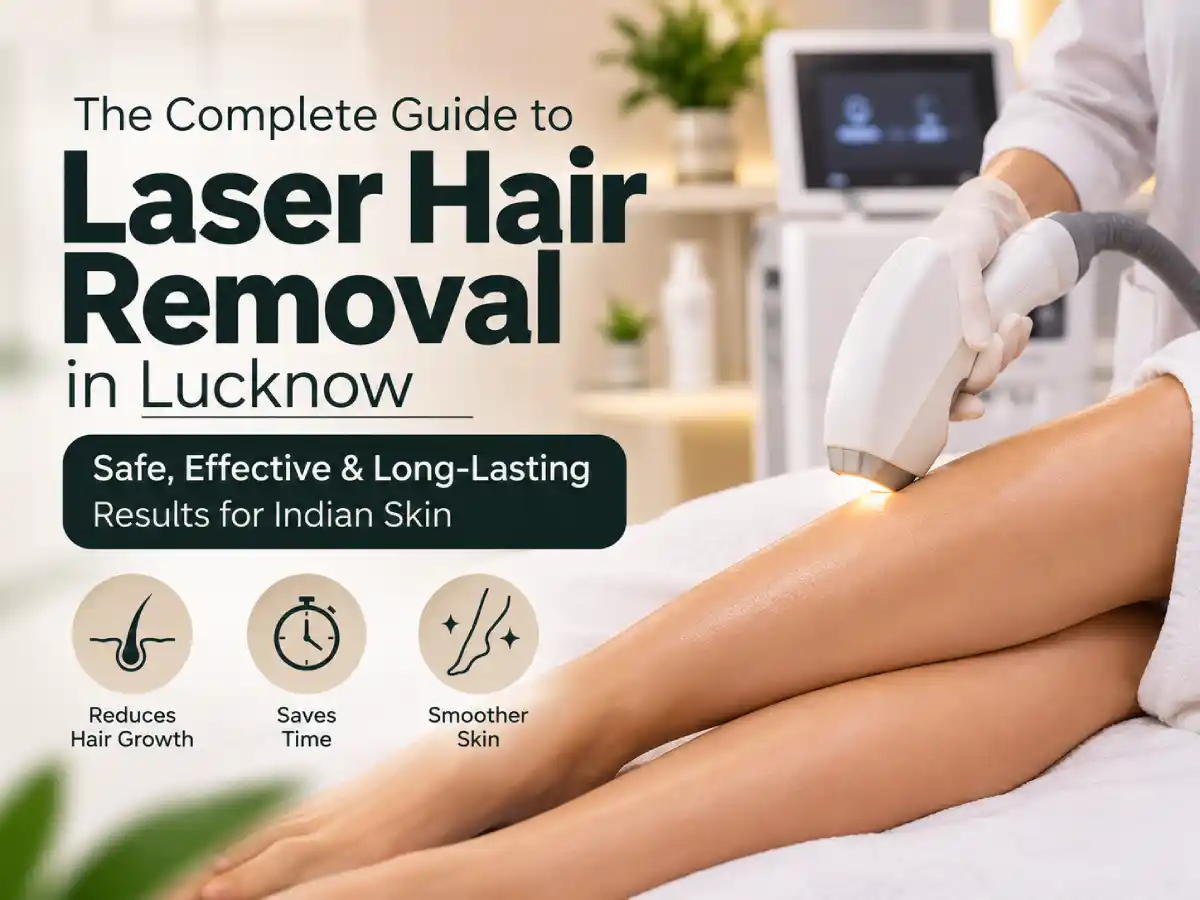
Ready to Explore Your Options?
If you are curious about how laser hair reduction can help you achieve smooth, hassle-free skin, we are here to guide you. Book a consultation with Dr. Asma to discuss your unique skin type and goals.
Key Takeaways
- Professional treatments provide a long-term solution for unwanted body hair.
- Success depends on factors like skin tone, hair texture, and hormonal health.
- Multiple sessions are necessary to achieve optimal, lasting results.
- Choosing the right clinic ensures safety for diverse Indian skin types.
- Proper preparation and aftercare are vital for a smooth recovery process.
Why Laser Hair Removal Is Becoming Popular in India
Modern grooming habits in Lucknow are evolving to prioritize efficiency and long-term results over temporary fixes. Many individuals are moving away from manual methods that require constant upkeep and frequent salon visits. As technology becomes more accessible, laser hair removal has emerged as a preferred choice for those seeking a cleaner, more convenient lifestyle.
How Laser Hair Reduction Differs from Shaving, Waxing, and Threading
Traditional methods like shaving, waxing, and threading only address the hair visible above the skin’s surface. These techniques often lead to frustrating issues such as ingrown hairs, razor burns, and skin irritation. In contrast, laser hair reduction targets the hair follicle directly to inhibit future growth.
By focusing on the root rather than the surface, laser treatments provide a smoother finish that lasts significantly longer. This shift allows people to reclaim their time by reducing the need for weekly grooming routines.
What “Long-Lasting” and “Permanent” Hair Reduction Really Mean
It is important to understand that laser treatments offer significant hair reduction rather than a guarantee that every follicle will stop producing hair forever. Most patients experience a dramatic decrease in hair density and thickness after completing a full course of sessions. While some fine, light hairs may remain, the results are generally considered long-lasting and highly effective.
Maintenance sessions may be required occasionally to keep the skin smooth over the years. This approach is far more sustainable than the daily cycle of shaving or the monthly pain of waxing.
Who May Benefit from Treatment in Lucknow’s Climate
Lucknow’s hot and humid climate can make traditional hair removal methods particularly uncomfortable. Constant sweating after waxing or shaving often leads to skin sensitivity and breakouts. Those who struggle with recurring irritation or dark, coarse hair will find that professional laser services offer a much-needed relief.
However, because the local environment involves significant sun exposure, patients must prioritize proper skin protection. Following a strict aftercare plan ensures that your skin remains healthy and protected throughout the treatment process.
Quick Comparison: Traditional Methods vs. Laser Hair Reduction
Aspect | Shaving, Waxing, Threading | Laser Hair Reduction |
How It Works | Removes hair above the skin’s surface | Targets the hair follicle at the root |
Duration of Results | Days to weeks | Long-lasting reduction |
Common Issues | Ingrown hairs, razor burns, irritation | Minimal, temporary reactions |
Maintenance | Frequent, ongoing | Occasional touch-ups |
Time Investment | Weekly or monthly | A few sessions per year |
How Laser Hair Removal Works on Hair and Skin
Understanding how laser hair removal works can help you feel more confident about your treatment. The process follows a precise biological mechanism that converts light energy into heat to disable hair growth at the root. Here is how it works, step by step.
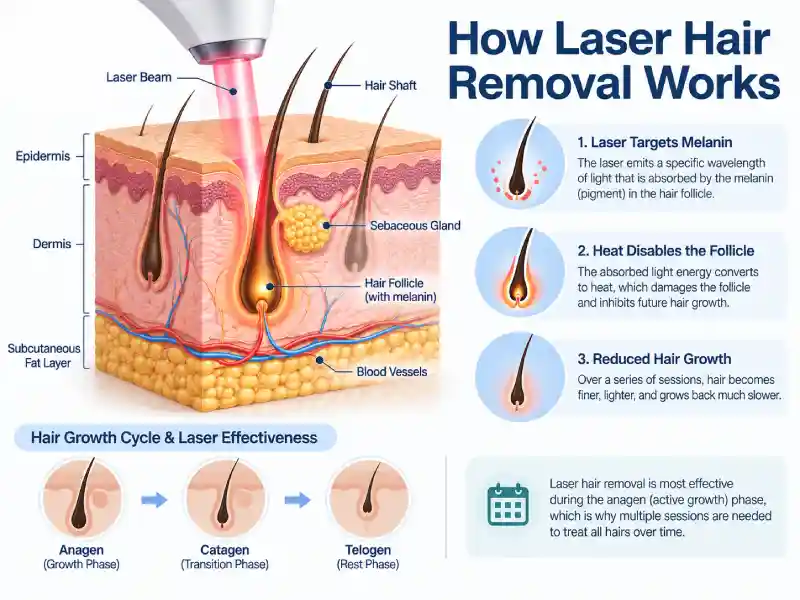
Step 1: The Laser Targets Melanin in the Hair Follicle
The laser device emits a specific wavelength of light that is absorbed by the pigment, or melanin, found in the hair shaft. Think of melanin as a target that attracts the laser’s energy.
This absorbed light energy is quickly converted into intense heat. The heat travels down the hair shaft and damages the follicle, which is the structure responsible for hair production.
Step 2: The Hair Growth Cycle Determines Effectiveness
Hair does not grow all at once. It moves through three distinct stages:
Stage | What Happens | Laser Effectiveness |
Anagen | Active growth phase; hair is attached to the follicle | Most effective |
Catagen | Transitional phase; hair begins to detach | Less effective |
Telogen | Resting phase; hair is dormant | Not effective |
The laser is only effective when the hair is in the anagen or active growth phase. During this stage, the hair is firmly attached to the follicle, allowing the heat to travel effectively to the root.
Step 3: Multiple Sessions Are Necessary
Because only a fraction of your hair is in the active growth phase at any given time, a single session cannot treat every follicle. You will need a series of appointments spaced several weeks apart to catch every hair as it enters its growth cycle.
Most patients require 6–8 sessions for optimal results. This consistent schedule is vital for achieving long-lasting results.
Step 4: Individual Factors Affect Treatment Response
Several variables influence how well your body responds to the procedure:
Factor | Effect on Treatment |
Darker, thicker hair | Absorbs more laser energy; easier to treat |
Very light or fine hair | Absorbs less energy; may require more sessions |
Hormonal fluctuations | Can stimulate new hair growth; may need maintenance sessions |
Professional providers adjust settings based on these individual factors to ensure the best outcome. By tailoring the intensity, they provide effective treatment while protecting the surrounding tissue from unnecessary heat.
Laser Hair Removal for Indian Skin: Safety and Suitability
When considering cosmetic procedures, the unique characteristics of Indian skin must be the primary focus. Because Indian skin tones often contain higher levels of melanin, the light energy used during treatment interacts differently with the skin surface compared to lighter complexions. Achieving laser hair removal for Indian skin requires a tailored approach to ensure both efficacy and safety.
Why Darker Skin Tones Require Carefully Selected Laser Settings
Melanin is the pigment that gives skin and hair their color. Since the surrounding skin in individuals with darker tones has more melanin, the laser must be precisely calibrated to target only the hair follicle. If the settings are too aggressive, the skin may absorb too much energy, leading to unwanted side effects.
Conservative and individualized settings are essential to protect the epidermis. By adjusting the pulse duration and wavelength, practitioners can effectively bypass the surface pigment. This precision is what makes the process successful for a wide range of skin types.
How Experienced Providers Reduce the Risk of Burns and Pigmentation Changes
Seeking a dermatologist-supervised treatment ensures that your procedure is managed by a medical professional. Experts use specific techniques to minimize risks, such as post-inflammatory hyperpigmentation or burns. These professionals prioritize skin health above all else.
Advanced cooling systems are often integrated into the devices to soothe the skin during the procedure. Furthermore, performing a patch test on a small, inconspicuous area allows the provider to observe how your skin reacts. This step is vital for establishing the safest energy levels for your specific needs.
When Laser Treatment May Not Be Appropriate
While technology has advanced significantly, there are specific scenarios where delaying or avoiding treatment is the wisest choice. It is important to be transparent with your provider about your health history to ensure a safe experience. Certain conditions can increase the risk of adverse reactions or make the treatment less effective.
Before starting any sessions, you must disclose any active skin infections, open wounds, or uncontrolled skin conditions in the target area. These issues can be exacerbated by laser energy and should be fully healed first. Additionally, pregnancy is generally considered a contraindication for elective laser procedures.
You should also provide a complete list of medications you are currently taking. Some drugs are photosensitizing, meaning they make your skin more sensitive to light and increase the risk of burns. Always consult with your specialist about your medical history to determine if you are a suitable candidate for the procedure.
Choosing the Best Laser Hair Removal in Lucknow
Selecting the best clinic requires careful research and a focus on safety. Because laser treatments interact directly with your skin and hair follicles, the quality of the facility and the expertise of the staff are paramount to your success.
Why Dermatologist Supervision Matters
Opting for dermatologist-supervised treatment ensures that your procedure is overseen by a medical professional. A dermatologist understands the complexities of Indian skin tones, which are prone to specific risks like hyperpigmentation if treated incorrectly.
Medical oversight provides a safety net that non-medical spas often lack. A qualified doctor can identify underlying hormonal issues that might affect your results and adjust your treatment plan accordingly.
How to Verify Clinic Credentials, Hygiene Standards, and Consultation Practices
Before booking your first session, take the time to visit the clinic in person. A reputable facility should maintain high standards of cleanliness and transparency regarding their equipment and staff qualifications.
Check for certifications: Ensure the clinic is registered and the practitioners are trained in laser safety.
Hygiene protocols: Look for sterile environments where equipment is sanitized between every single client.
Consultation depth: A professional clinic will always conduct a thorough medical history review before starting any procedure.
Questions to Ask About the Device, Practitioner, and Treatment Plan
During your consultation, do not hesitate to ask detailed questions about the process. A responsible provider will be happy to explain their methodology and set realistic expectations for your specific hair and skin type.
Consider asking the following questions to gauge the clinic’s professionalism:
- What specific laser technology is being used for my skin tone?
- How many sessions will I realistically need to see significant results?
- What are the potential side effects, and how are they managed?
- Who will be performing the procedure, and what is their experience level?
Warning Signs of Unsafe or Misleading Claims
Be cautious of clinics that promise permanent results without explaining the nuances of hair growth cycles. While lasers significantly reduce hair growth, the term “permanent” can be misleading if it implies that no maintenance will ever be required.
Watch out for these red flags during your search:
- Unusually low prices: Extremely cheap rates often indicate outdated equipment or undertrained staff.
- High-pressure sales: Avoid clinics that force you to purchase large, expensive packages without a proper patch test.
- Guaranteed results: No ethical provider will guarantee 100% hair removal, as individual results vary based on genetics and hormones
Diode Laser Hair Removal and Other Device Options
Not all laser devices are created equal, especially when it comes to treating diverse skin tones. Choosing the right technology is essential for achieving safe and effective results. When considering treatment for Indian skin, the specific wavelength of the device determines how well it targets hair follicles while protecting the surrounding tissue.
How Diode Lasers Are Commonly Used for Indian Skin
The diode laser is widely regarded as a gold standard for many patients in India. Its longer wavelength allows for deeper penetration into the hair follicle, which is ideal for thicker, darker hair types. Because of this, diode laser hair removal has become a preferred choice for those seeking a balance between comfort and performance.
This technology is particularly effective because it can be adjusted to accommodate various skin tones. By delivering energy in a controlled manner, it minimizes the risk of heat-related damage to the skin surface. Individualized assessments remain necessary to ensure the settings are perfectly calibrated for your unique profile.
Comparing Diode, Nd:YAG, and Alexandrite Laser Technologies
Different laser systems operate on distinct wavelengths, each serving specific purposes. The Alexandrite laser is often used for lighter skin tones, while the Nd:YAG laser is highly effective for darker skin due to its ability to bypass surface melanin. The diode laser sits in the middle, offering versatility for a wide range of hair and skin combinations.
Laser Type | Wavelength | Best For | Skin Suitability |
Alexandrite | 755 nm | Fine/Light hair | Light skin |
Diode | 800-810 nm | Coarse/Dark hair | All skin types |
Nd:YAG | 1064 nm | Deep follicles | Darker skin |
Why the Device Should Be Matched to Skin Tone, Hair Type, and Treatment Area
Matching the device to your specific needs is the foundation of a successful treatment plan. A practitioner must evaluate your hair density and skin sensitivity before selecting the equipment. For instance, sensitive areas like the face may require different energy levels compared to larger areas like the legs or back.
Why IPL Should Not Be Treated as Equivalent to Medical Laser Treatment
It is important to distinguish between professional medical lasers and Intense Pulsed Light (IPL) devices. While IPL is often marketed for hair reduction, it uses a broad spectrum of light rather than a single, focused wavelength. This lack of precision can make it less effective for permanent hair reduction and potentially riskier for certain skin tones.
Medical-grade lasers provide consistent, high-intensity energy that targets the follicle with pinpoint accuracy. Always verify that your clinic uses authentic medical-grade technology rather than consumer-grade IPL systems. This distinction is vital for your safety and the long-term quality of your results.
What Happens During a Laser Hair Removal Session
Your journey toward smooth skin begins with a structured session designed for safety and precision. When you opt for diode laser treatment, you are choosing a process that prioritizes both efficacy and your personal comfort. Here is what to expect, step by step.
Step 1: Consultation, Medical History, and Patch Testing
Every professional session starts with a thorough review of your medical history. Your practitioner will assess your skin type and hair density to ensure the treatment is safe for you.
A patch test is performed on a small, inconspicuous area to observe how your skin reacts to the laser energy. This step is vital for establishing the safest energy levels for your specific needs.
Step 2: Preparing the Treatment Area Before the Appointment
Before the laser is applied, the target area must be clean and free of lotions, oils, or makeup. You will typically be asked to shave the area closely before your arrival.
This ensures that the laser energy is directed straight into the follicle rather than heating hair above the skin surface.
Step 3: What to Expect During Laser Application
During the procedure, you will wear protective eyewear to shield your eyes from the light pulses. The technician uses a handheld device to deliver controlled bursts of energy across the skin.
Many clinics in the city utilize advanced diode laser technology to ensure consistent results across various skin tones.
Step 4: Normal Sensations, Cooling Methods, and Session Duration
Most patients describe the sensation as a mild snapping feeling, similar to a rubber band against the skin. To maximize comfort, practitioners use integrated cooling systems or chilled gels that soothe the epidermis immediately.
The duration of your session depends entirely on the size of the area being treated.
Area | Estimated Duration | Sensitivity Level |
Face | 5–10 Minutes | Moderate |
Underarms | 10 Minutes | Low |
Bikini Area | 15–20 Minutes | High |
Arms & Legs | 30–60 Minutes | Low to Moderate |
Preparing for Safe Laser Hair Removal in Lucknow
Achieving the best results from your treatment starts long before you step into the clinic. Proper preparation is essential to ensure that your experience is both comfortable and effective. Here is how to prepare, step by step.
Step 1: Shave the Area (Do Not Wax or Pluck)
Many people mistakenly believe that they should remove hair from the root before their session. However, laser technology requires the hair follicle to be present to effectively target the pigment.
Shaving is the only recommended method because it removes surface hair while leaving the root intact. Waxing, plucking, or threading removes the entire hair shaft, including the bulb. Without this target, the laser energy cannot travel down to the follicle, rendering the session ineffective.
What to do: Shave the area 24 to 48 hours before your appointment.
Step 2: Avoid Sun Exposure and Tanning
Tanned or sun-exposed skin contains higher levels of melanin, which can interfere with the laser’s ability to distinguish between hair and skin. This increases the risk of side effects like burns or pigmentary changes.
What to do: Avoid direct sun exposure for at least two weeks prior to your visit. If you have a fresh tan, your provider may need to reschedule your session.
Protecting your skin with broad-spectrum sunscreen is a simple way to keep your treatment schedule on track. Consistency in avoiding the sun ensures that your skin remains in the best condition for the laser.
Step 3: Pause Certain Skincare Products
Certain skincare ingredients can make your skin more sensitive to light and heat. You should pause the use of retinoids, exfoliating acids like glycolic or salicylic acid, and chemical peels at least one week before your session.
These products thin the outer layer of the skin, which can lead to unnecessary irritation during the procedure.
What to do: Stop using active skincare ingredients one week before treatment. On the day of your appointment, avoid heavy lotions, perfumes, or oils on the treatment area. Clean, dry skin allows the laser device to glide smoothly and safely.
Step 4: Disclose Your Medications and Skincare Routine
Transparency with your practitioner is the cornerstone of a successful treatment plan. You must disclose any photosensitizing medications, such as certain antibiotics or acne treatments, during your consultation. These drugs can alter how your skin reacts to the laser energy.
Providing a full list of your current skincare regimen allows your provider to adjust settings or timing to maintain safety.
What to do: Share your complete medication list and skincare routine with your provider before treatment. Honesty regarding your medical history helps prevent complications and ensures that your journey toward hair reduction is as smooth as possible.
Laser Hair Removal Cost in Lucknow: A Quick Overview
Pricing depends on two main factors: treatment area and number of sessions required. Both single sessions and multi-session packages are available.
Average cost per session in Lucknow: ₹2,000 – ₹15,000 (depending on the area treated)
Indicative Cost Range for Common Treatment Areas
Treatment Area | Indicative Cost Per Session |
Upper Lip | ₹1,500 – ₹3,000 |
Chin | ₹1,500 – ₹3,000 |
Underarms | ₹2,000 – ₹4,000 |
Full Face | ₹3,500 – ₹7,000 |
Bikini Line | ₹3,000 – ₹6,000 |
Half Arms | ₹3,000 – ₹5,000 |
Full Arms | ₹4,000 – ₹8,000 |
Half Legs | ₹4,000 – ₹7,000 |
Full Legs | ₹6,000 – ₹12,000 |
Chest | ₹4,000 – ₹8,000 |
Back | ₹5,000 – ₹10,000 |
Full Body | ₹10,000 – ₹20,000 |
Note: These are indicative ranges. Package pricing is often more cost-effective. A consultation provides an accurate quote.
What Affects Your Total Cost
Factor | How It Affects Cost |
Treatment Area | Larger areas (legs, back) cost more than smaller areas (upper lip, chin) |
Hair Density | Thicker, denser hair may require more passes and more sessions |
Number of Sessions | Most patients need 6–8 sessions; total cost is cumulative |
Technology Used | Advanced medical-grade lasers may cost more than basic devices |
Aftercare and Recovery for Smoother Skin
Once your session is complete, following specific recovery steps will help protect your skin and enhance your results. Proper maintenance is essential to ensure your skin remains healthy and smooth.
Caring for Treated Skin in the First 24 to 48 Hours
During the first day or two, your skin may feel slightly sensitive, similar to a mild sunburn. It is important to avoid hot showers, saunas, and steam rooms, as excessive heat can irritate the follicles. Stick to lukewarm water and avoid rubbing the area with harsh towels.
Sun Protection, Gentle Cleansing, and Moisturization
Sun protection is particularly important in the climate of Lucknow, where intense ultraviolet exposure can lead to pigmentation changes. Always apply a broad-spectrum sunscreen with high SPF if you must step outdoors. Keeping the area hydrated with a gentle, fragrance-free moisturizer will help soothe the skin and support the healing process.
When to Resume Exercise, Swimming, Exfoliation, and Active Skincare
You should wait at least 48 hours before engaging in strenuous exercise or swimming in chlorinated pools. Avoid using chemical exfoliants, scrubs, or active skincare ingredients like retinoids on the treated area for at least one week. Gradually reintroducing these products ensures that your skin remains calm and protected.
What Temporary Redness, Swelling, and Shedding May Look Like
It is perfectly normal to experience mild redness or slight swelling around the hair follicles immediately after your appointment. These symptoms typically subside within a few hours. Over the next two weeks, you may notice the hair appearing to grow, but this is actually the natural shedding process as the treated follicles release the hair shafts.
Quick Reference: Aftercare Timeline
Timeframe | What to Do |
First 24–48 hours | Avoid heat, hot showers, saunas, and steam rooms |
Daily | Apply sunscreen; use gentle, fragrance-free moisturizer |
48 hours | Wait before exercise or swimming |
1 week | Wait before using active skincare products |
1–2 weeks | Expect temporary redness, swelling, and shedding |
Results, Maintenance, and Possible Side Effects
While many seek permanent hair reduction, it is important to understand how your body responds to the process. Achieving smooth skin is a journey that requires patience and realistic expectations regarding the timeline of your results.
When Hair Shedding and Visible Reduction Typically Occur
After your session, you will not see immediate hair loss. Instead, treated hairs typically begin to shed naturally over the course of several days to a few weeks.
Visible reduction develops progressively across your entire treatment series. Most individuals notice a significant decrease in hair density after three to four sessions, as the laser effectively targets follicles in their active growth phase.
Why Maintenance Sessions May Be Needed Over Time
It is helpful to clarify that permanent laser hair removal generally refers to long-term stable reduction. This does not serve as an absolute guarantee that no hair will ever return, as hormonal shifts can trigger new growth.
Occasional maintenance sessions are often necessary to keep the area smooth. These touch-ups help manage any fine or dormant hairs that may emerge months or years after your initial treatment plan is complete.
Common Temporary Reactions and How They Are Managed
Most patients experience mild, temporary reactions immediately following their appointment. Common symptoms include slight redness, warmth, or minor swelling around the hair follicles, which usually subside within a few hours.
You can manage these sensations by applying a cold compress or a soothing, fragrance-free moisturizer. Keeping the area protected from direct sunlight is also vital during the initial recovery phase.
When to Contact a Dermatologist About Blistering, Burns, or Pigmentation Changes
While side effects are usually mild, you must remain vigilant. Contact your dermatologist promptly if you notice persistent pain, blistering, significant burns, or marked changes in skin pigmentation.
These signs may indicate that the laser settings were too intense for your skin type. Early intervention ensures that your skin heals properly and prevents long-term complications.
How Hormonal Conditions Such as PCOS Can Affect Results
Hormonal conditions like polycystic ovary syndrome (PCOS) can significantly influence your hair growth patterns. These conditions often stimulate new hair follicles, which may require a more extended treatment plan to achieve the desired results.
If you have a diagnosed hormonal imbalance, discuss this with your provider before starting. They can adjust your expectations and create a customized maintenance schedule to better suit your specific needs.
Quick Reference: Common Reactions and Management
Reaction Type | Expected Duration | Management Strategy |
Mild Redness | 1–24 Hours | Cool compress & aloe vera |
Follicular Swelling | 24–48 Hours | Avoid tight clothing |
Blistering/Burns | Immediate | Contact dermatologist |
Pigmentation Change | Persistent | Professional medical review |
What Our Patients Say
Kamar Jahan Bano
“I visited The Velvet Skin Centre for laser hair removal and had an amazing experience. The clinic uses advanced laser technology and the results are excellent.”
Ajaj Bhai
“Best laser hair reduction in Lucknow at Velvet Skin. Visible hair reduction from the first sitting.”
Vandana Rastogi
“Dr. Asma at Velvet Skin Centre is one of the best dermatologists in Lucknow. The results are just excellent for laser hair removal and the clinic is well maintained. Highly recommended.”
Why Choose The Velvet Skin Centre?
Feature | The Velvet Skin Centre |
Expertise | Led by Dr. Asma Parveen, MD Dermatology, with 14+ years of experience |
Technology | US-FDA approved Triple Wavelength Diode + Nd:YAG laser system |
Safety | Patch testing, advanced cooling, and personalized settings for Indian skin |
Locations | Indira Nagar and Thakurganj – convenient across Lucknow |
Patient Care | Transparent pricing, no hidden costs, and comprehensive aftercare support |
Frequently Asked Questions (FAQs)
Q1: Is laser hair removal 100% permanent?
Laser hair reduction produces long-lasting results—significantly reducing hair density and regrowth after a full course of treatment. While most patients enjoy smooth skin for months to years, it is more accurately described as permanent hair reduction rather than absolute removal. Occasional maintenance sessions may be needed, particularly for hormonally influenced areas.
Q2: Is laser hair reduction safe for Indian skin?
Yes, laser hair removal can be performed safely on Indian and other darker skin types when the appropriate laser, settings, cooling, and technique are used. Long-pulsed Nd:YAG (1064 nm) lasers are widely considered a safer option for darker skin types. At The Velvet Skin Centre, laser settings are individualized according to your skin type, hair type, and treatment area.
Q3: Is laser hair removal painful?
Laser hair removal is generally well tolerated. Most people describe the sensation as a mild snapping or warmth on the skin, similar to a rubber-band snap. Cooling during treatment helps reduce discomfort.
Q4: How much does laser hair removal cost in Lucknow?
Pricing depends on the treatment area and number of sessions required. The average cost per session in Lucknow ranges from ₹2,000 to ₹15,000 depending on the area treated. A personalized consultation provides the most accurate estimate.
Q5: Is laser hair reduction safe for private parts and sensitive areas?
Yes—when performed by a qualified dermatologist with the correct laser settings and hygiene protocols. At The Velvet Skin Centre, the bikini line and intimate areas are treated using parameters carefully calibrated for sensitive skin, with appropriate cooling and full clinical hygiene standards.
Q6: Can men get laser hair reduction at The Velvet Skin Centre?
Yes. Laser hair reduction for men is increasingly popular for beard shaping, chest, back, shoulder, and full body hair removal. The procedure and technology are the same—laser settings are adjusted for male skin and hair density.
Q7: How many sessions are needed for laser hair reduction?
Most patients require around 6–8 sessions, although the exact number varies depending on the treatment area, hair thickness, hair-growth cycle, hormonal factors, and individual response.
Q8: What if I miss a session between treatments?
Consistency gives the best results, but life happens. If you need to skip an appointment, aim to get back on track within 2–3 weeks for facial areas or 4–6 weeks for body areas. Longer delays may mean adding an extra session to achieve your goals.
Ready to Start Your Journey to Smooth Skin?
Successful hair reduction relies on selecting the right technology and finding a skilled practitioner. Your journey toward smooth skin starts with prioritizing safety over low prices. Focus on clinics that offer personalized treatment plans rather than generic packages.
Do not let aggressive marketing sway your decision. Evaluate the hygiene standards and the specific devices used at each facility. Ask about maintenance requirements and aftercare support to manage your expectations for long-term results.
Schedule a professional consultation before committing to any procedure. Making an informed choice ensures that your experience with laser hair removal in Lucknow is both safe and effective.