



























Women Hair Loss Treatment in Lucknow for Hair Fall & Thinning

Hair loss in women is rarely caused by a single factor. Hormonal changes, nutritional deficiencies, genetics, and scalp health often contribute together, which is why treatment without an accurate diagnosis rarely works.


Book appointment Now

Book Now & Get 10% OFF on Your First Visit!

Schedule Your Dermatology Consultation.
Get expert skin and hair care advice.

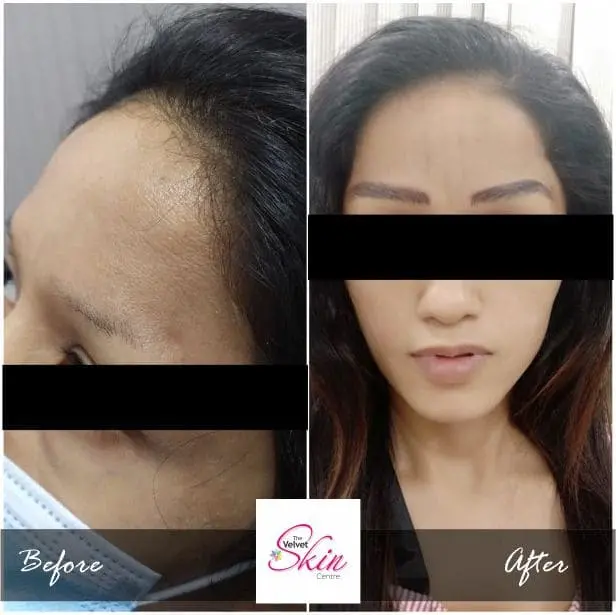
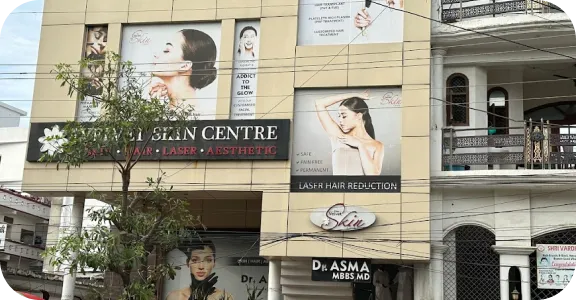
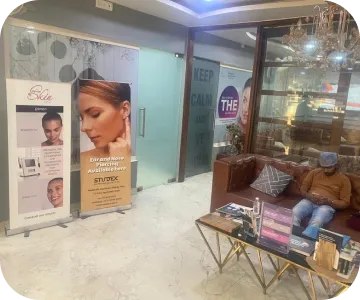
The Velvet Skin Centre offers women hair loss treatment in Lucknow under the guidance of Dr. Asma Parveen, a dermatologist with over 14 years of experience. She evaluates the cause of hair loss before recommending any treatment, ensuring each plan is based on what your scalp actually needs. 

Contact The Velvet Skin Centre and avail 10% OFF on your first visit. Call +91 8002558860 to book your consultation.

What Causes Hair Loss in Women?

Hair loss in women is usually linked to underlying factors that need proper diagnosis. Dr. Asma first identifies the cause before suggesting any treatment.

Elevated androgens in PCOS cause hair follicles to gradually shrink, leading to thinning at the crown and a widening parting. Managing the hormonal imbalance along with scalp treatment improves long-term outcomes. 

A sudden drop in estrogen after childbirth pushes many follicles into the shedding phase at once. This shedding usually peaks 2 to 4 months after delivery and improves gradually with time, though treatments like PRP or GFC can support faster recovery. 

Both hypothyroidism and hyperthyroidism can disrupt the normal hair growth cycle, leading to diffuse hair fall and slow regrowth. Hair recovery improves once thyroid levels are medically stabiliszed, supported by scalp-focused treatment if needed. 

This is a genetic and hormonal condition in which the parting gradually widens and crown density decreases while the frontal hairline is often preserved. Without treatment, it tends to progress slowly over time.

Low levels of iron, vitamin D, biotin, or zinc can weaken hair growth and increase shedding. Blood tests help identify deficiencies, and targeted treatment or mesotherapy supports follicle recovery. 

Physical or emotional stress, illness, surgery, or rapid weight changes can trigger sudden shedding after a delay of 2 to 3 months. Treatment focuses on stabiliszing the cycle and supporting natural regrowth. 

An autoimmune condition that causes sudden patchy hair loss. It requires a specific dermatological evaluation and is managed separately from hormonal or nutritional hair loss.

Elevated androgens in PCOS cause hair follicles to gradually shrink, leading to thinning at the crown and a widening parting. Managing the hormonal imbalance along with scalp treatment improves long-term outcomes. 

A sudden drop in estrogen after childbirth pushes many follicles into the shedding phase at once. This shedding usually peaks 2 to 4 months after delivery and improves gradually with time, though treatments like PRP or GFC can support faster recovery. 

Both hypothyroidism and hyperthyroidism can disrupt the normal hair growth cycle, leading to diffuse hair fall and slow regrowth. Hair recovery improves once thyroid levels are medically stabiliszed, supported by scalp-focused treatment if needed. 

This is a genetic and hormonal condition in which the parting gradually widens and crown density decreases while the frontal hairline is often preserved. Without treatment, it tends to progress slowly over time.

Low levels of iron, vitamin D, biotin, or zinc can weaken hair growth and increase shedding. Blood tests help identify deficiencies, and targeted treatment or mesotherapy supports follicle recovery. 

Physical or emotional stress, illness, surgery, or rapid weight changes can trigger sudden shedding after a delay of 2 to 3 months. Treatment focuses on stabiliszing the cycle and supporting natural regrowth. 

An autoimmune condition that causes sudden patchy hair loss. It requires a specific dermatological evaluation and is managed separately from hormonal or nutritional hair loss.

Who Should Consider Hair Loss Treatment?

Hair loss in women is often noticed late because the changes are gradual. These signs indicate a consultation is needed.

Widening Parting or Thinning Crown

Problem: The parting line has become noticeably wider, or the scalp is visible at the crown under normal lighting.
Solution: Early evaluation identifies whether the cause is genetic, hormonal, or nutritional before further density is lost.

Ponytail That Has Become Visibly Thinner

Problem: The same hairstyle that once felt full now feels sparse when tied up.
Solution: A scalp evaluation and blood tests identify the underlying cause, allowing treatment to begin before the condition progresses.

Excessive Shedding That Has Not Resolved

Problem: Hair fall increased after stress, illness, or pregnancy, and has not returned to normal after several months.
Solution: Treatment supports follicle recovery and shortens the shedding phase before significant density is lost.

Hair Loss Linked to PCOS or Thyroid Condition

Problem: A diagnosed hormonal condition is present, and hair thinning has developed or worsened alongside it.
Solution: Dr. Asma coordinates scalp treatment with the hormonal picture to address the real underlying driver.

Hair Loss Not Improving with Home Remedies or OTC Products

Problem: Oils, shampoos, and supplements have been tried without meaningful improvement in shedding or density.
Solution: A clinical evaluation identifies the actual cause, which surface-level products cannot address.

Here is the merged section — procedure steps now include the relevant treatment options within each step rather than as a separate section:

How Women’s Hair Loss Treatment Is Performed at The Velvet Skin Centre

Each step is guided by the findings from your initial consultation and the cause of hair loss identified during evaluation.

Step 1: Consultation and Scalp Evaluation


Dr. Asma reviews your hair loss history, hormonal background, menstrual health, pregnancy history, and dietary patterns, along with a clinical scalp examination. Blood tests are requested where a nutritional or hormonal component is suspected.

Based on the evaluation, Dr. Asma identifies the cause and stage of hair loss and prepares a personalised treatment plan. The following treatments may be recommended individually or in combination, depending on your condition.

  • Minoxidil

Prescribed for daily home use as first-line medical treatment for female pattern hair loss. It extends the active hair growth phase and produces visible results over 3 to 6 months of consistent use.

  • Mesotherapy

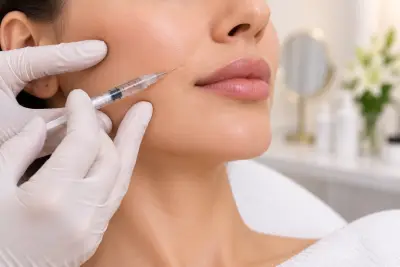
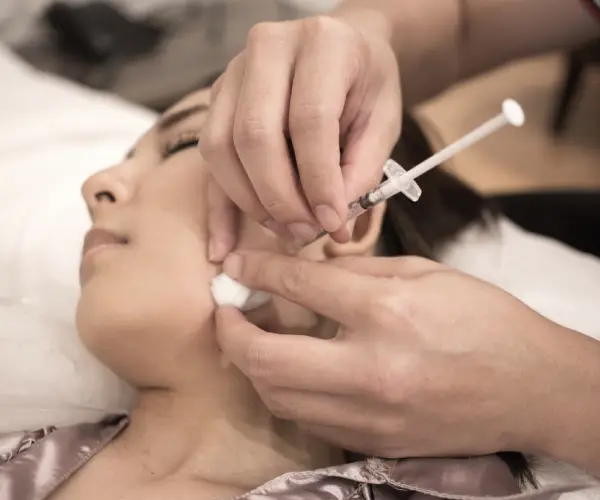
Delivers a customised blend of vitamins, minerals, and amino acids directly into the scalp through microinjections. Particularly effective when nutritional deficiency is a contributing factor, with the formulation adjusted based on your blood test results.

  • PRP Therapy

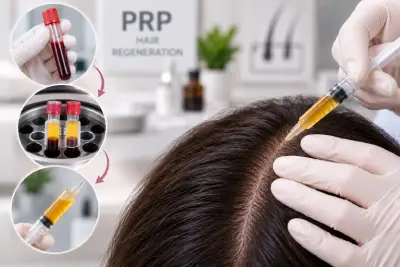
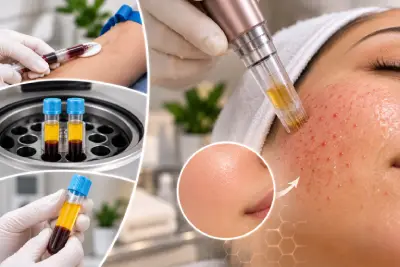
Uses your own blood, processed to concentrate growth factors, which are injected into thinning areas of the scalp. Most effective for postpartum hair loss, early female pattern hair loss, and telogen effluvium.

  • GFC Treatment

Delivers a higher concentration of activated growth factors than standard PRP. Recommended for moderate to advanced thinning where follicles are weakened but still present, or where PRP has not produced sufficient improvement.

  • Hair Transplant — FUE

Evaluated for women with advanced female pattern hair loss where follicles in affected areas are no longer active. Candidacy depends on the donor area condition and is assessed by Dr Asma during a detailed consultation.

Dr. Asma reviews your scalp condition and response to treatment at follow-up appointments. The plan is adjusted where needed based on how the hair and scalp are responding over time.

After completing the initial treatment course, a maintenance schedule is recommended to sustain results. This may involve periodic PRP, GFC, or Mesotherapy sessions alongside continued medical therapy, where prescribed.

Dr. Asma reviews your hair loss history, hormonal background, menstrual health, pregnancy history, and dietary patterns, along with a clinical scalp examination. Blood tests are requested where a nutritional or hormonal component is suspected.

Based on the evaluation, Dr. Asma identifies the cause and stage of hair loss and prepares a personalised treatment plan. The following treatments may be recommended individually or in combination, depending on your condition.

Prescribed for daily home use as first-line medical treatment for female pattern hair loss. It extends the active hair growth phase and produces visible results over 3 to 6 months of consistent use.

Delivers a customised blend of vitamins, minerals, and amino acids directly into the scalp through microinjections. Particularly effective when nutritional deficiency is a contributing factor, with the formulation adjusted based on your blood test results.

Uses your own blood, processed to concentrate growth factors, which are injected into thinning areas of the scalp. Most effective for postpartum hair loss, early female pattern hair loss, and telogen effluvium.

Delivers a higher concentration of activated growth factors than standard PRP. Recommended for moderate to advanced thinning where follicles are weakened but still present, or where PRP has not produced sufficient improvement.

Evaluated for women with advanced female pattern hair loss where follicles in affected areas are no longer active. Candidacy depends on the donor area condition and is assessed by Dr Asma during a detailed consultation.

Dr. Asma reviews your scalp condition and response to treatment at follow-up appointments. The plan is adjusted where needed based on how the hair and scalp are responding over time.

After completing the initial treatment course, a maintenance schedule is recommended to sustain results. This may involve periodic PRP, GFC, or Mesotherapy sessions alongside continued medical therapy, where prescribed.

Treatment Timeline

Results develop gradually and depend on the cause and treatment approach.

Stage

What You Experience

Timeline

Consultation

Scalp evaluation, blood tests where needed, treatment plan prepared

Day 1

Reduced Shedding

Daily hair fall begins to slow

4 to 8 weeks

Early Regrowth

Fine new growth or reduced thinning is visible

2 to 3 months

Visible Improvement

Noticeable improvement in thickness and parting width

4 to 6 months

Full Results

Hair density stabilises

6 to 12 months

Maintenance

Follow-up sessions as advised

Ongoing


Cost of Women’s Hair Loss Treatment in Lucknow

The cost of women’s hair loss treatment depends on the cause of hair fall and the treatment plan suggested after a detailed scalp evaluation. Below are approximate cost ranges for common treatments. 

Treatment

Approximate Cost Range

Minoxidil (medical therapy)

₹500 to ₹2,000 per month

PRP Therapy

₹3,000 to ₹8,000 per session

GFC Treatment

₹3,500 to ₹8,000 per session

Mesotherapy

₹2,500 to ₹6,000 per session

Hair Transplant (FUE)

₹25,000 to ₹2,00,000 and above

For exact pricing based on your condition, call +91 8002558860 to book a consultation at The Velvet Skin Centre.

Meet Dr. Asma, the Best Dermatologist in Lucknow

Dr. Asma Parveen is a dermatologist with over 14 years of experience in dermatology and cosmetology, with expertise in managing skin and hair conditions, including women’s hair loss.

At The Velvet Skin Centre, she evaluates each case through a detailed scalp examination along with relevant medical history. When required, blood tests are recommended to identify underlying hormonal or nutritional factors before deciding on the treatment plan.

What Other Treatments May Be Recommended?

After evaluation, Dr. Asma may add treatments to address underlying scalp or hair conditions contributing to hair fall. 

Dandruff and Scalp Treatment


Active scalp conditions such as dandruff or seborrhoeic dermatitis weaken follicles and accelerate shedding. Treating the scalp condition is often a necessary first step in the overall plan.

Where hair loss involves permanent follicle damage, specialist scarring alopecia treatment is required. The Velvet Skin Centre offers this as a dedicated service, assessed and managed separately from non-scarring conditions.

Active scalp conditions such as dandruff or seborrhoeic dermatitis weaken follicles and accelerate shedding. Treating the scalp condition is often a necessary first step in the overall plan.

Where hair loss involves permanent follicle damage, specialist scarring alopecia treatment is required. The Velvet Skin Centre offers this as a dedicated service, assessed and managed separately from non-scarring conditions.

Why Choose The Velvet Skin Centre for Women’s Hair Loss Treatment in Lucknow

Women’s hair loss treatment works best when it is guided by clinical experience, accurate diagnosis, and the right medical technology rather than a fixed protocol.

Book Your Consultation in Lucknow

If hair thinning has been ongoing for several months or shedding has not improved, a clinical evaluation helps identify the exact cause and guide the right treatment plan.

You can visit The Velvet Skin Centre at Indira Nagar, Chowk, or Thakurganj. Call +91 8002558860 to book your appointment.

FAQs

Can women’s hair loss be reversed?


Hair loss caused by nutritional deficiency, thyroid disorders, or postpartum changes can often be significantly reversed once the underlying cause is treated. Female pattern hair loss can be managed and slowed, but requires ongoing treatment to maintain results.

A blood test measuring hormones, thyroid function, ferritin, and vitamin D, combined with a clinical review of symptoms, identifies whether PCOS or another hormonal condition is involved. Dr. Asma recommends these tests where clinically indicated.

Yes. PRP is non-hormonal and does not interfere with contraception or thyroid medication. It uses growth factors from the patient’s own blood, making it suitable for most women regardless of the hormonal cause.

PRP and GFC typically require 3 to 6 sessions spaced 4 weeks apart, followed by maintenance every 3 to 6 months. Mesotherapy requires 6 to 8 sessions initially. Dr. Asma outlines the full plan after your evaluation.

As early as possible. Women who notice a widening parting, a thinner ponytail, or shedding that has not self-resolved should consult without delay. Early intervention gives the best range of non-surgical options.

Hair loss caused by nutritional deficiency, thyroid disorders, or postpartum changes can often be significantly reversed once the underlying cause is treated. Female pattern hair loss can be managed and slowed, but requires ongoing treatment to maintain results.

A blood test measuring hormones, thyroid function, ferritin, and vitamin D, combined with a clinical review of symptoms, identifies whether PCOS or another hormonal condition is involved. Dr. Asma recommends these tests where clinically indicated.

Yes. PRP is non-hormonal and does not interfere with contraception or thyroid medication. It uses growth factors from the patient’s own blood, making it suitable for most women regardless of the hormonal cause.

PRP and GFC typically require 3 to 6 sessions spaced 4 weeks apart, followed by maintenance every 3 to 6 months. Mesotherapy requires 6 to 8 sessions initially. Dr. Asma outlines the full plan after your evaluation.

As early as possible. Women who notice a widening parting, a thinner ponytail, or shedding that has not self-resolved should consult without delay. Early intervention gives the best range of non-surgical options.

[elementor-template id=”6482″]